-
May 06,2020
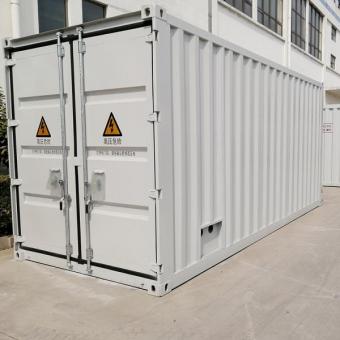
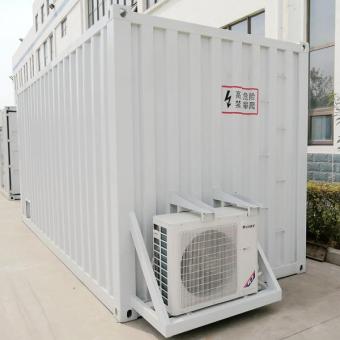
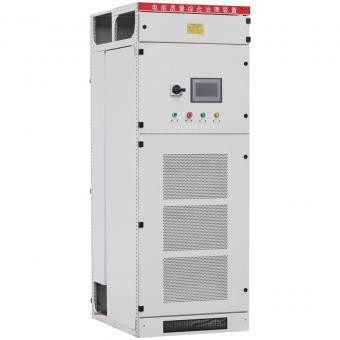
ZDDQ 690V Static Var Generator ZD-SVGM-2000 Static Var Generator (SVG) is the new standard in reactive energy compensation for 690V networks. This power electronic current source is the accurate and highly reliable solution for today’s networks characterised by significant increase in harmonics, voltage variations caused by intermittent renewable sources connected to the network and voltage level ...
read more
-
Apr 29,2020
STATCOM A static synchronous compensator, known as a STATCOM, is another device used to regulate the power factor in medium to high voltage applications. They operate on roughly the same principles as a synchronous compensator, however, use a voltage source converter as opposed to a rotating machine to provide dynamic Power Factor Correction. STATCOMs use IGBT switching te...
read more
-
Apr 24,2020
Following are simple contrast list, Product Static Var Generator(SVG) Multifunctional electricity controller & optimizer (MEC) Mechanical switch capacitor (MSC) Thyristor-switched capacitor (TSC) Response speed ≤5ms ≤5ms 300ms 20ms Reactive power compensation ability Rated capacitive reactive power to rated inductive reactive power, 0.1kVar precision, and up to 1 power factor Rated capacitive ...
read more
-
Apr 18,2020
Power quality problems and Industry background Dynamic reactive power, lower power factors, and higher harmonic content are common power quality problems in the CNC industry. Major contamination sources of power quality include the punching machines,welding machines. When harmonics occur, dynamic reactive current and 3-phase imbalance are produced. During the CNC period, the power factor of arc fu...
read more
-
Apr 13,2020
Voltage Sag Voltage sag is the main problem to cause the losses of industrial production. Unpredictable outage rarely happen in many high automated process control industries. who have the good power supplies. Voltage Sag is mostly caused by thunder,but it also has other reasons. Power system cause: starting of heavy machine and short circuit fault. Unpredictable accident:traffic accident,construc...
read more
-
Apr 03,2020
Power factor correction Connected equipment (transformers, motors, air-conditioning, refrigerators, etc.) cause a phase angle between current and voltage.When the current is phase-shifted, it takes more current to deliver the same amount of active power. Impact of reactive power • Transmission equipment has to be sized for the apparent power, yet only active power is useful • Increased losses in t...
read more
-
Mar 28,2020
Power quality “Power quality” can seem to be a pretty abstract term – how does one judge the quality of such an unseen commodity as electricity? But, as commercial and industrial facility managers know, good power quality can boost both productivity and employee safety, while poor power quality can mean a drain on the bottom line, thanks to damaged equipment, lost productivity and product spoilage...
read more
-
Mar 23,2020
Overview of Active Power Filter APF-1000 APF-1000 Active power filter has various compensation modes (harmonic, reactive power, three-phase unbalance and capacitor switching control), which can simultaneously make the said various compensation, and the proportion of compensation capacity by harmonic, reactive power, and three-phase unbalance can also be set, comprehensively solving the problem of ...
read more
-
Mar 17,2020
China's economy According to China Daily China's economy is gradually returning back to normal, as major industrial companies outside of Hubei province have resumed work at a rate of more than 90 percent, China's top economic regulator said on Tuesday. The nonferrous metal industry's electricity consumption has reached normal level last year, and power consumption in the medical, chemical and elec...
read more