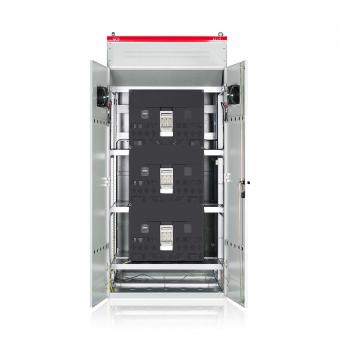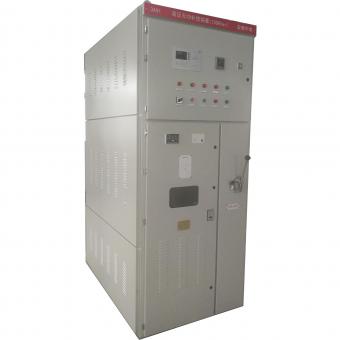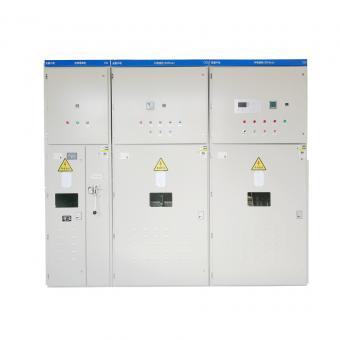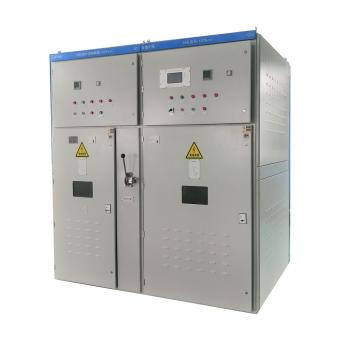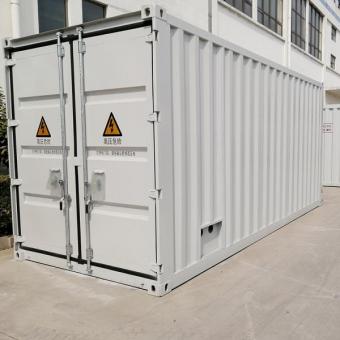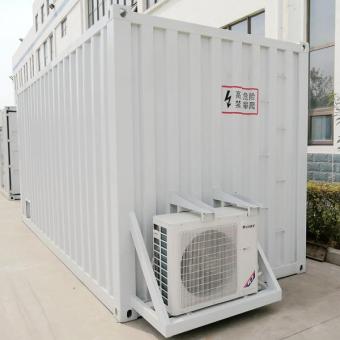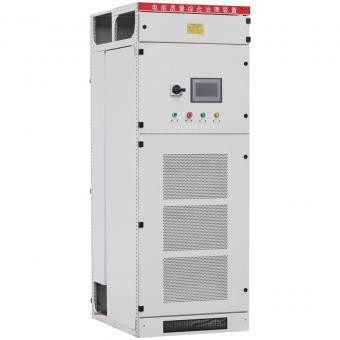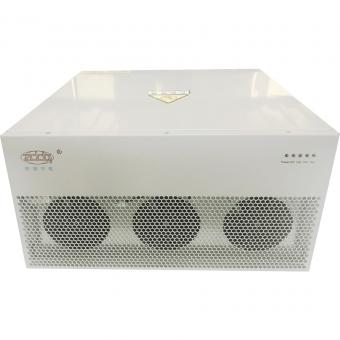
As a key piece of equipment for reactive power compensation in power systems, the operating status of capacitor banks directly affects the power factor, voltage stability, and energy efficiency of the power grid.
With the rapid development of power systems, capacitor banks, as crucial reactive power compensation equipment, play an irreplaceable role in improving power factor, enhancing grid quality, and reducing line losses. However, in actual operation, capacitor banks frequently encounter various faults, such as capacitor damage, contactor failure, and harmonic overload. These faults not only severely affect the normal operation of the equipment but may also trigger more serious power accidents. Therefore, in-depth research into capacitor bank maintenance techniques and fault prevention strategies is of great significance.
1.Basic principles and structure of capacitor bank
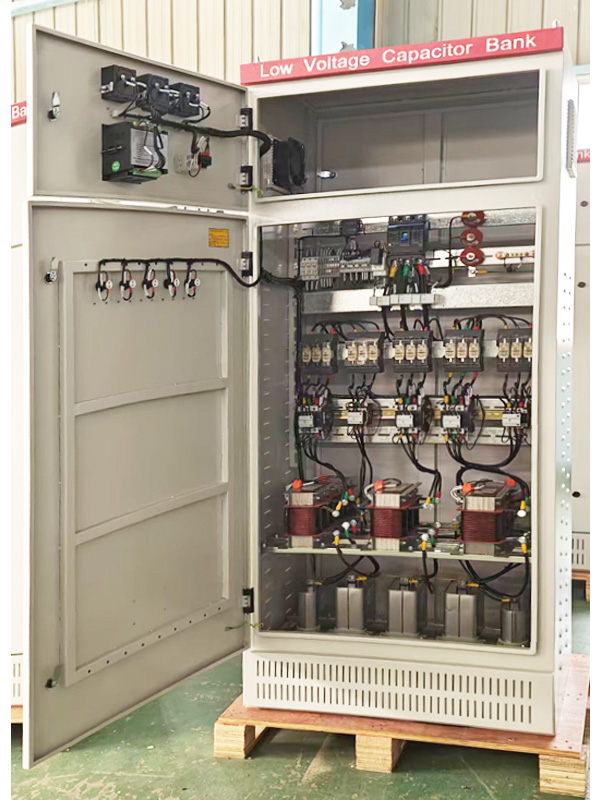
A capacitor bank is a specialized device for reactive power compensation in a power system. Its basic principle is to provide capacitive reactive power to the power system through parallel capacitor banks to offset the reactive power generated by inductive loads, thereby improving the power factor, grid quality, and reducing line losses. During normal operation, lines often exhibit inductive reactance, causing current to lag behind voltage and reducing the power factor. The working mechanism of the capacitor bank is based on the charging and discharging characteristics of capacitors. When the power system voltage is applied across the capacitors, the capacitors absorb lagging current, generating capacitive reactive power compensation.
The main components of a capacitor bank include: capacitor banks, which are the core component of the capacitor bank and are usually composed of multiple capacitor units connected in parallel or series, responsible for providing the reactive power required by the equipment; switching devices, such as contactors and thyristor switches, are used by the system to automatically connect or disconnect capacitor banks according to reactive power demand; protection devices include overcurrent protection, overvoltage protection, and undervoltage protection to ensure the safe operation of the capacitor bank; a measurement and control unit is responsible for detecting system parameters and controlling the connection and disconnection of capacitors; and a discharge device is used to quickly release residual charge after operation to ensure maintenance safety.
2.capacitor bank maintenance
Capacitor bank maintenance techniques can be broadly categorized into routine maintenance and preventative maintenance.
Routine Inspection: This mainly includes daily, monthly, semi-annual, and annual inspections. Regularly check the capacitor bank's operating status, looking for abnormal noises or overheating, and ensure the power factor is within the specified range. Cleaning and maintenance primarily involve regularly removing dust and dirt from the inside of the cabinet, keeping the equipment clean, especially the insulating components. Tightness checks involve regularly checking electrical connections for looseness, ensuring secure and reliable connections to prevent poor contact that could lead to overheating and equipment failure.
Preventative Maintenance: This is a more advanced and comprehensive maintenance strategy. Temperature monitoring is a crucial preventative maintenance method. A temperature gun can be used to regularly check the temperature of capacitors, connection points, and switching equipment to promptly detect overheating faults. Capacitance measurement can detect changes in capacitance, enabling early detection and timely replacement of damaged capacitors to ensure normal capacitor function.
For example, the automatic switching capacitor bank used in the Baishui Palace cable car requires special attention to the maintenance of the control system. Regularly check the controller parameter settings for correctness, the accuracy of the sampling signal, and the rationality of the switching logic, always maintaining a power factor above 0.9. Simultaneously, the operating status of the discharge device should be checked to ensure that the capacitors can fully discharge after being taken out of operation, thus guaranteeing the safety of maintenance personnel. A comprehensive maintenance record system should be established. By recording data from each maintenance session and identifying any anomalies, equipment trends can be tracked, providing a basis for preventative maintenance.
3.Capacitor cabinet failure prevention measures
To address common capacitor bank failures, several preventative measures can be taken. Environmental factors are fundamental; the capacitor bank must be kept in an environment with suitable temperature and humidity. Ventilation equipment must be installed, and air conditioning should be provided in the power distribution room to maintain a cool and dry working environment and prevent damage from excessive heat. For critical capacitor banks, an online temperature monitoring system can be configured to monitor the operating status of the equipment in real time, preventing problems before they occur and ensuring their proper functioning.
Furthermore, establishing comprehensive fault and maintenance records is crucial. Detailed records of capacitor maintenance history, replacement details, and failure scenarios provide important guidance for equipment evaluation and replacement decisions.
Categories
new blog


NO.25,JINHE RD,HUAIYUAN ECONOMIC DEVELOPMENT ZONE ,BENGBU,ANHUI
Scan to WhatsApp: