The quality of electricity directly determines the energy-saving ratio of a company's power consumption system, as high-quality electricity can prevent significant energy waste. So, what is electricity quality, and what factors affect it?
What is power quality? Power quality generally refers to the quality of alternating current (AC). That is, the AC power supplied by the power industry to businesses and individual users through the power grid. The best power quality refers to a constant frequency (Hz), sinusoidal waveform, and standard voltage.
So what factors affect power quality? First, we need to clarify one point: anything that affects the Hz frequency, voltage, and sine wave is a contributing factor. In actual use, equipment such as generators, transmission circuits, and transformers all influence power quality. Power quality passes through numerous devices from the generator to the end user, each causing minor impacts. Furthermore, the power grid system as a whole is not perfect, and operational and mechanical failures can occur. Therefore, the final power quality is the result of a combination of many factors. Our goal is to ensure that the power quality reaches the working equipment as close to the ideal state as possible.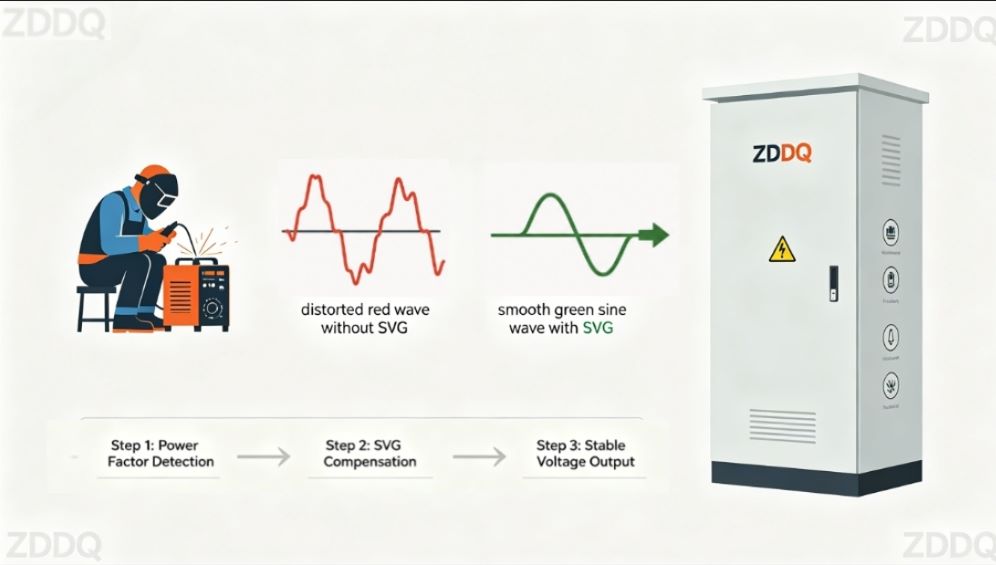
Power quality is determined by:
1. Voltage quality (the difference between the actual operating voltage and the theoretical voltage). Voltage quality here does not include the impact of Hz frequency and the power terminal on power quality.
II. Current Quality. Current quality is usually related to voltage quality. Electrical equipment terminals generally ensure stable power by aligning the sinusoidal waveform with the supply voltage according to the frequency of the alternating current.
III. Power supply and power quality. Power supply and power quality are generally determined by the reliability of the power supply (timely power supply, etc.) and the service quality (timely repair by the power supply bureau in the event of an unexpected power outage, etc.).
Users pay their electricity bills on time, which creates rights, responsibilities, and obligations for both the electricity user and the power supply company regarding the quality of electricity supply.
Generally, we need to measure and record some power quality parameters as standards for evaluating power quality. Specific influencing parameters include voltage deviation (the difference between the actual voltage and the rated voltage), voltage flicker and fluctuations, voltage interruptions and drops, frequency deviation (the difference between the actual frequency of the current and the rated frequency), and three-phase imbalance, etc. Voltage deviation is mainly caused by power system operation and reactive loads. The greatest impact of voltage deviation is on motors and lighting fixtures.
Voltage flicker and fluctuations are mainly manifested as light flickering caused by voltage fluctuations.
Voltage interruptions and sudden drops are generally accompanied by various unexpected events. After all, the current equipment and hardware standards are relatively high, and both accidents (lightning strikes, fires, strong winds) and the sudden start-up of large motors can cause interruptions or sudden drops in power supply voltage. Once the voltage changes drastically, it will lead to a series of consequence.
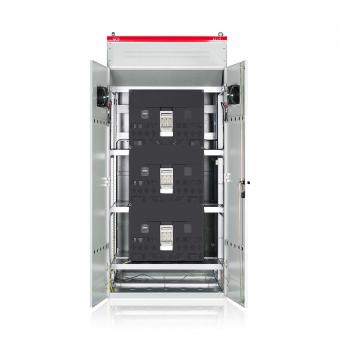
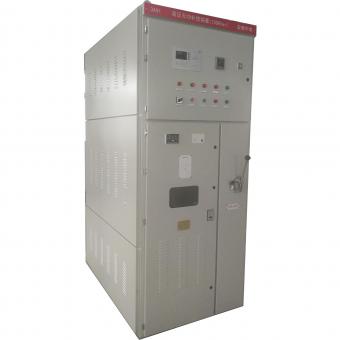
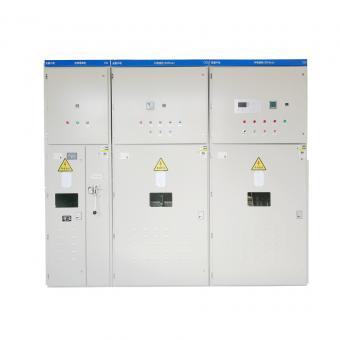
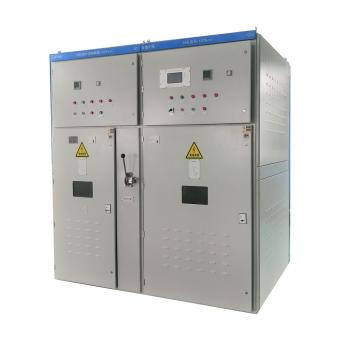
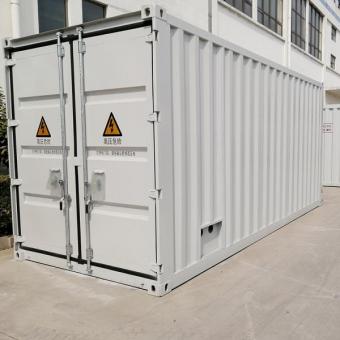
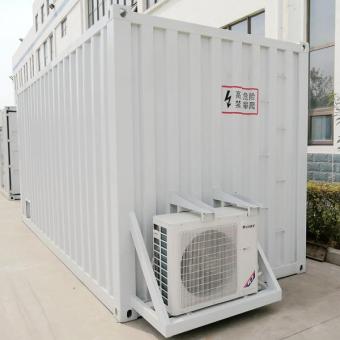
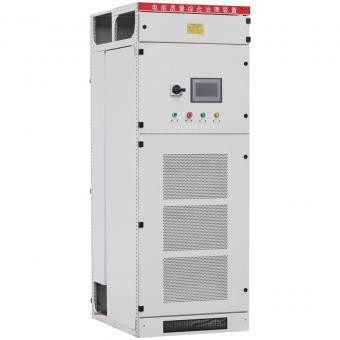
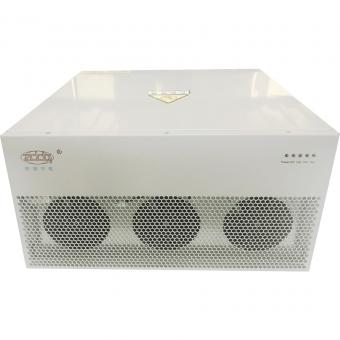
Mainstream products that can improve power quality
• LV Automatic Power factor correction Panels
Categories
new blog


NO.25,JINHE RD,HUAIYUAN ECONOMIC DEVELOPMENT ZONE ,BENGBU,ANHUI
Scan to WhatsApp: