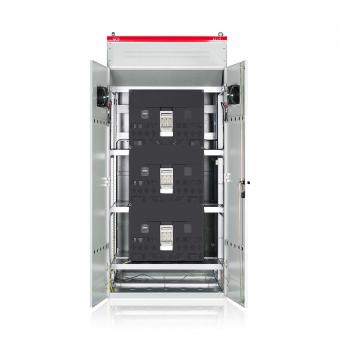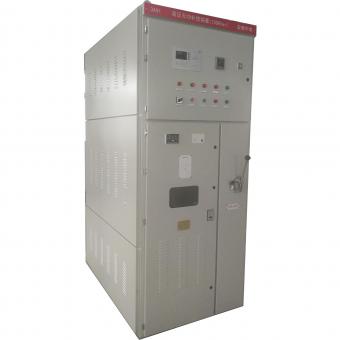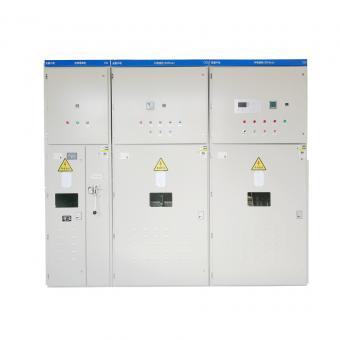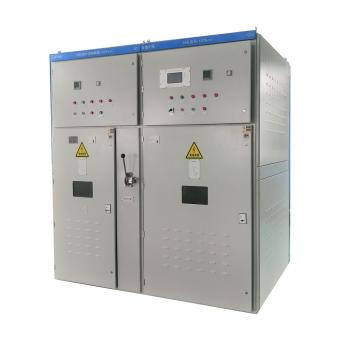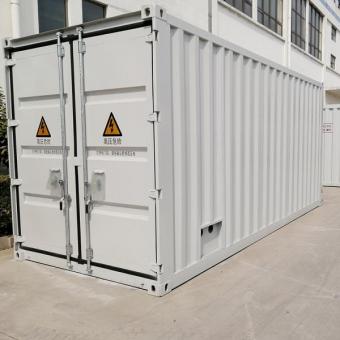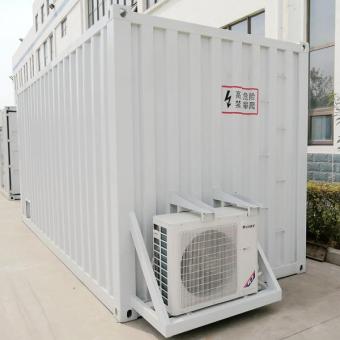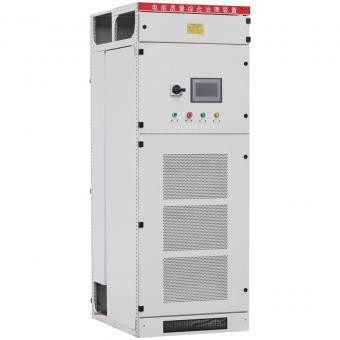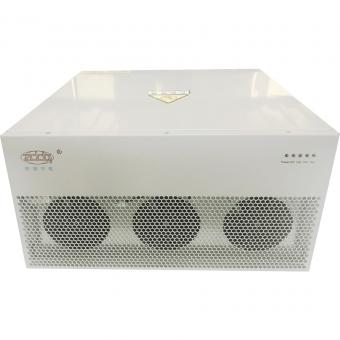
This is a fundamental design choice in high-power electronics like STATCOMs (Static Synchronous Compensators). The cooling system directly impacts power density, efficiency, reliability, and total cost of ownership.
Here is a detailed comparison of Water Cooling versus Air Cooling for STATCOMs.
Water Cooling is the preferred solution for high-power density, large capacity, and compact footprint applications. It's the standard for most medium-voltage (MV) and high-voltage (HV) STATCOMs.
Air Cooling is a robust, simple solution for lower power ratings, outdoor applications with ample space, and where maintenance must be minimal.
| Feature | Water Cooling (Liquid Cooling) | Air Cooling |
|---|---|---|
| Cooling Efficiency | Excellent. Water has ~4x the heat capacity of air, allowing it to remove large amounts of heat from a small volume. | Good. Limited by the specific heat and density of air. Requires moving large volumes of air. |
| Power Density | Very High. Allows components (like IGBTs) to be packed very closely, leading to a much more compact cabinet. | Lower. Requires significant space for airflow paths and heat sink fins, resulting in a larger overall footprint. |
| Noise Level | Quiet. The system relies on pumps and possibly a small fan for a dry cooler, which is significantly quieter than high-speed fans. | Noisy. Requires high-speed, high-volume fans to force air over heat sinks, generating considerable acoustic noise. |
| System Complexity | High. Includes a closed-loop circuit with pumps, heat exchangers, deionizer, piping, and potential for leaks. More components can fail. | Low. Essentially consists of fans and heat sinks. A very simple and straightforward system. |
| Maintenance | Higher. Requires regular maintenance: checking coolant level and quality, pump operation, and the integrity of the deionizer cartridge to prevent electrical conductivity. Risk of corrosion or algae growth. | Very Low. Fans are the primary maintenance item. They are typically easy to access and replace. The system is "fit and forget" for long periods. |
| Installation | More Complex. Requires routing of pipes/ hoses and connection to an external dry cooler or cooling tower. The cabinet itself is heavier. | Simple. Essentially "plug and play." The unit is self-contained, requiring only electrical connections. |
| Immunity to Environment | Protected. The power components are in a sealed, cooled environment, protected from dust, moisture, and corrosive gases. | Vulnerable. The internal components are exposed to the air being drawn in, which can carry dust, humidity, and contaminants, requiring filters. |
| Reliability | High, but with caveats. The core power components run cooler, which increases their lifespan. However, the cooling loop itself introduces potential failure points (pump, leaks). | Very High. The simplicity of the system leads to high inherent reliability. Fewer things can go wrong. |
| Total Cost of Ownership | Higher initial cost, potentially lower long-term. More expensive components and complex assembly. Savings may come from reduced space requirements and higher efficiency. | Lower initial cost. Simpler and cheaper to manufacture. Long-term cost is primarily fan replacement and electricity for the fans. |
| Typical Application | - Large industrial plants (metals, mining) - HVDC stations - Wind/Solar farms (central inverters) - Data centers - Indoor installations with space constraints |
- Lower power STATCOMs/SVGs (<1-2 MVA) - Outdoor substations with ample space - Environments where maintenance access is difficult - Less demanding industrial applications |
For the vast majority of modern medium-voltage STATCOMs, water cooling has become the de facto standard due to the relentless demand for higher power in smaller volumes. However, air cooling remains a perfectly valid, highly reliable, and cost-effective technology for the right application.
Categories


NO.25,JINHE RD,HUAIYUAN ECONOMIC DEVELOPMENT ZONE ,BENGBU,ANHUI
Scan to WhatsApp: