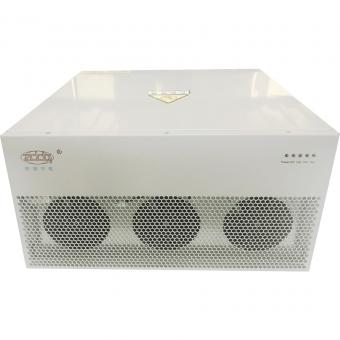
In power supply systems, power factor is a crucial indicator, directly reflecting the efficiency of electrical equipment. A higher power factor means that electrical equipment is fully utilized and operates more efficiently; conversely, a lower power factor means lower utilization, like a car with a powerful engine that fails to deliver its full potential due to various reasons, wasting energy.
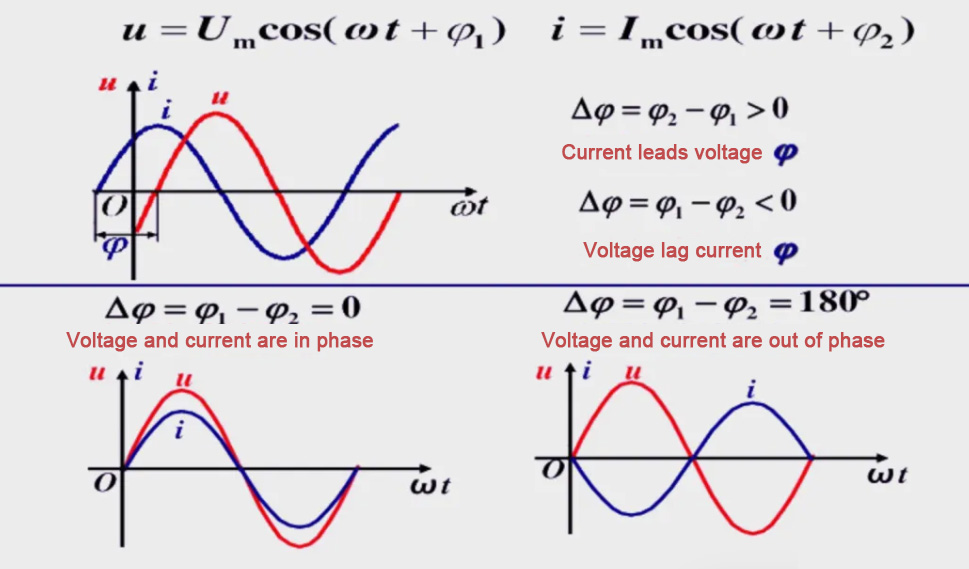
Power factor can be either leading or lagging, and their impact on the power supply system differs significantly.
1. Lagging Power Factor: Lagging power factor is very common in daily life and industrial production. Simply put, it means the current phase lags behind the voltage phase. When power factor lag occurs, electrical equipment acts like a "greedy" entity, drawing extra reactive current from the grid. While this reactive current doesn't directly do work, it consumes grid capacity, affecting the normal operation of transformers, motors, and other electrical equipment, reducing their utilization rate. It's like a wide road becoming less efficient due to idle traffic. To address this issue, we typically install
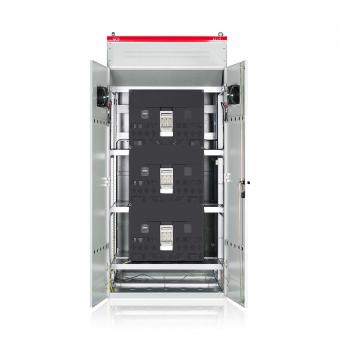
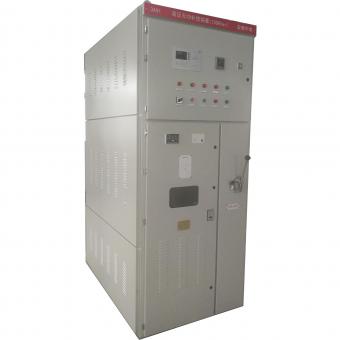
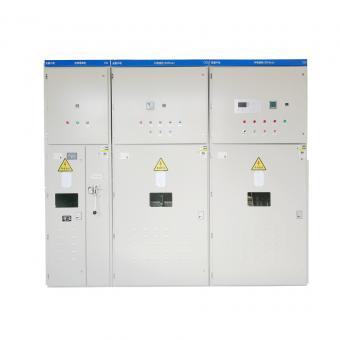
power capacitors in the system. Capacitors act like "energy depots," providing the reactive power needed by electrical equipment, reducing reactive current drawn from the grid, thereby improving the power factor and allowing the equipment to operate more efficiently.
2. Leading Power Factor Compared to lagging power factor, leading power factor is less common. It is characterized by the current phase leading the voltage phase. When the power factor is leading, the electrical equipment acts like an "overly enthusiastic" person, not only failing to draw reactive current from the grid but actually feeding it back into it. While this seems beneficial, it actually leads to a series of problems.
Reactive current backfeeding causes the grid voltage to rise, like over-inflating a balloon, causing the electrical equipment to operate under overvoltage for extended periods. Prolonged overvoltage operation accelerates insulation aging, shortens the lifespan of electrical equipment, and increases maintenance and replacement costs for businesses. Just as a person working in a high-voltage environment for a long time will suffer physical and mental damage, ultimately affecting their work and quality of life.
3. Chinese Power Supply Department Regulations
Whether the power factor is leading or lagging, it will have adverse effects on the power system. To regulate electricity consumption and ensure the safe and stable operation of the power system, the national power supply department has established clear standards for the power factor of different users.
For high-voltage industrial users with a power supply capacity of 160KVA or above, the power factor standard is 0.90; for other industrial users with a power factor of 100KVA or above, the standard is 0.85. This is like an exam; businesses need to achieve the corresponding "score" to pass. When a business's power factor is lower than the corresponding standard, the power supply department will charge additional power adjustment fees, which will undoubtedly increase the business's electricity costs; conversely, when the power factor exceeds the corresponding standard, the business will receive a partial reduction in electricity fees, equivalent to a reward.
Therefore, businesses must pay attention to power factor management. Properly installing
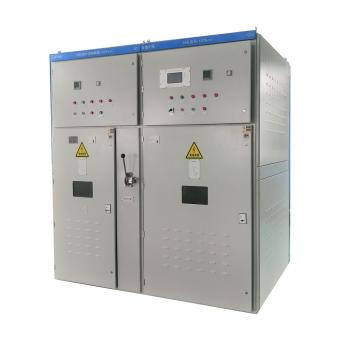
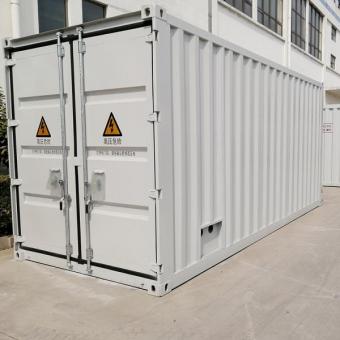
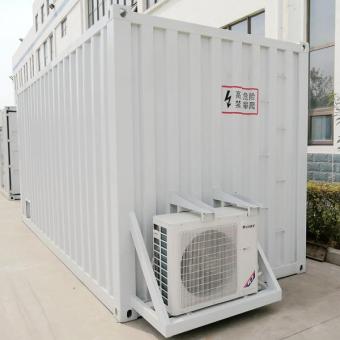
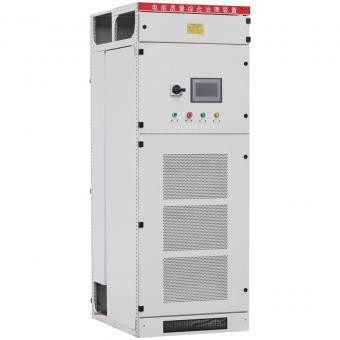
reactive power compensation devices is an effective way to improve the power factor. By installing appropriate reactive power compensation devices such as
capacitors, businesses can adjust the amount of reactive power compensation in real time according to their own electricity consumption, ensuring that the power factor remains within a reasonable range. This avoids additional power regulation charges, improves the utilization rate of electrical equipment, extends equipment lifespan, and reduces operating costs.
In short, the power factor plays a crucial role in the power supply system. Businesses must fully understand the meaning and impact of leading and lagging power factors, comply with power supply department regulations, and install reactive power compensation devices appropriately to ensure the safe and stable operation of the power supply system and provide strong power support for the business's development.