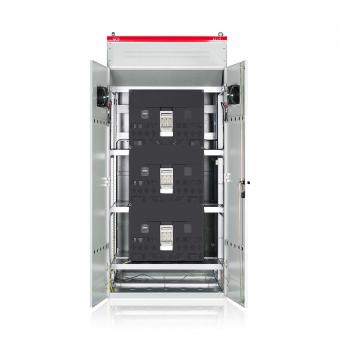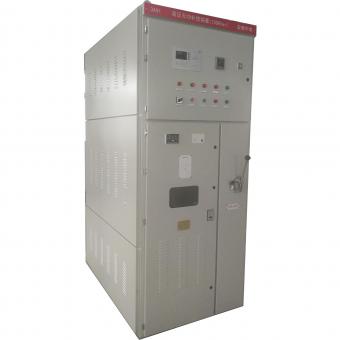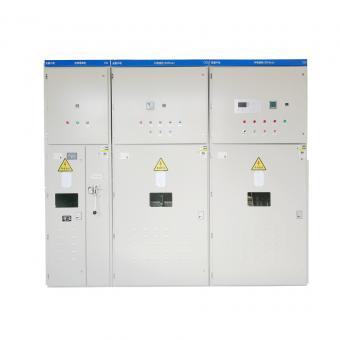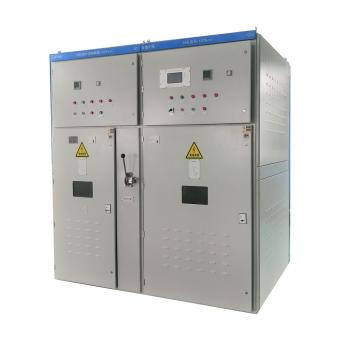
1. Energy Storage System (ESS)
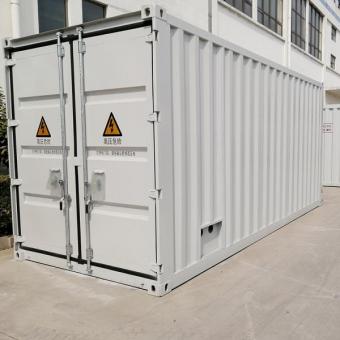
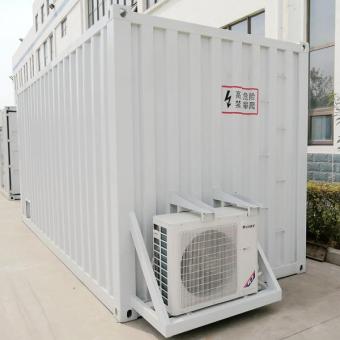
Battert Energy Storage System(BESS) is essentially a large-scale battery installed within the electrical grid.
Primary Function: To store electrical energy and release it when needed.
Key Applications in a Substation:
Peak Shaving: Charging during low-demand (low-cost) periods and discharging during high-demand (high-cost) periods, reducing strain on the grid and saving money.
Renewable Integration: Storing excess solar or wind energy when production is high and releasing it when production drops (e.g., at night or when the wind isn't blowing). This smooths out the intermittent nature of renewables.
Backup Power: Providing short-term power to critical loads during an outage, similar to an Uninterruptible Power Supply (UPS) but on a substation scale.
Frequency Regulation: Rapidly injecting or absorbing power to help maintain the grid's frequency at 50/60 Hz, a critical service for grid stability.
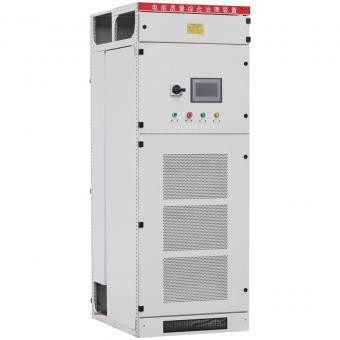
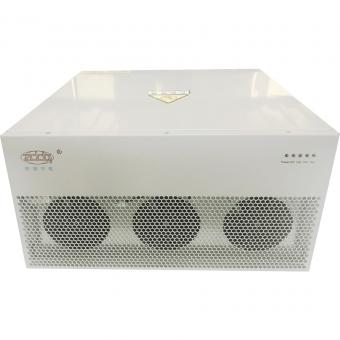
STATCOM is a power electronics-based device that is a specialized type of Flexible AC Transmission System (FACTS) controller.
Primary Function: To regulate voltage on the grid by dynamically generating or absorbing reactive power.
Key Principle: It doesn't generate real power (MW) like a generator. Instead, it generates or absorbs reactive power (MVAR).
Generate Reactive Power (Capacitive Mode): When grid voltage is low, it acts like a capacitor to "boost" the voltage.
Absorb Reactive Power (Inductive Mode): When grid voltage is high, it acts like an inductor to "lower" the voltage.
Key Applications in a Substation:
Voltage Stability: Provides fast, dynamic voltage support, preventing voltage collapse during faults or sudden load changes.
Power Quality: Mitigates voltage sags, swells, and flicker.
Improving Power Transfer Capacity: By stabilizing voltage, it allows more real power to flow through existing transmission lines.
Substation is a crucial node in the electrical power system.
Primary Function: To transform voltage from high to low (distribution substation) or low to high (transmission substation), and to switch, control, and protect the flow of electricity.
Key Components: Transformers, circuit breakers, switches, protection relays, and control systems.
This is where the real magic happens. Traditionally, these were separate devices with separate functions. Modern power electronics now allow them to be combined into a single, multifunctional system, often called a "Storage-Enhanced STATCOM" or a "PV-STATCOM" (if paired with solar).
The combined system can provide "Four-Quadrant" capability, meaning it can independently control both Real Power (MW) and Reactive Power (MVAR).
Here’s how a combined ESS + STATCOM system benefits a substation:
| Feature | STATCOM Alone | ESS Alone | ESS + STATCOM Combined |
|---|---|---|---|
| Real Power (MW) | Zero (or very little) | Charge & Discharge | Charge & Discharge |
| Reactive Power (MVAR) | Generate & Absorb | Limited or None | Generate & Absorb |
| Primary Benefit | Voltage Stability | Energy Time-Shift, Frequency | Both, plus enhanced services |
Specific Advantages of the Combination:
Enhanced Renewable Integration:
The ESS stores excess solar energy.
The STATCOM function stabilizes voltage fluctuations caused by the variable solar output.
Together, they provide a smooth, stable, and dispatchable power output.
Black Start Capability:
After a total blackout, a grid needs power to restart generators (a process called "black start").
The ESS can provide the initial real power to energize a section of the grid.
The STATCOM function can control the voltage during this delicate process, making it safer and more reliable.
Superior Frequency and Voltage Regulation:
The system can respond to a frequency dip by injecting real power from the ESS while simultaneously injecting reactive power from the STATCOM to support voltage. This dual-action is far more effective than either device working alone.
Increased Asset Utilization:
By providing both real and reactive power support, the combined system can relieve congestion on transformers and transmission lines, deferring the need for costly infrastructure upgrades.
Think of the electrical grid as a water system:
Substation: A major water pumping and control station.
Real Power (MW): The actual flow of water (the volume of H₂O moving per second).
Reactive Power (MVAR): The water pressure in the pipes.
ESS (Battery): A large water tank or reservoir. It can store water and release it to increase flow when there's a high demand.
STATCOM: A high-speed pressure regulator. It can instantly adjust the pressure in the pipes to keep it constant, even if someone suddenly opens or closes a large valve.
A combined ESS+STATCOM is like having a smart water reservoir with a built-in, high-speed pressure regulator. It can both manage the water supply (flow/real power) and ensure the pipes don't burst from high pressure or collapse from low pressure (voltage).
Integrating an Energy Storage System with a STATCOM within a substation is a transformative step towards a more resilient, flexible, and efficient smart grid. It moves beyond single-function devices to create a multi-talented asset that can solve multiple grid challenges simultaneously, paving the way for a future powered by clean, renewable energy.
Categories


NO.25,JINHE RD,HUAIYUAN ECONOMIC DEVELOPMENT ZONE ,BENGBU,ANHUI
Scan to WhatsApp: