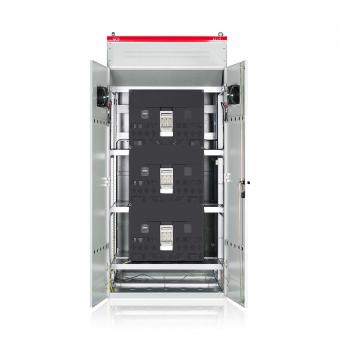
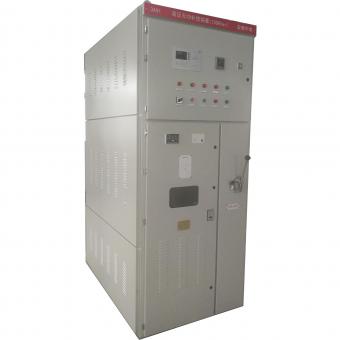
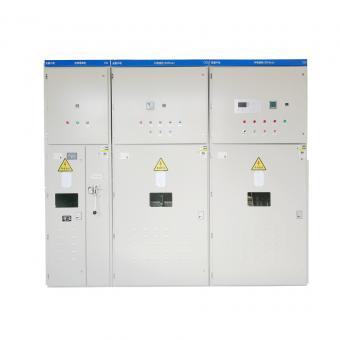
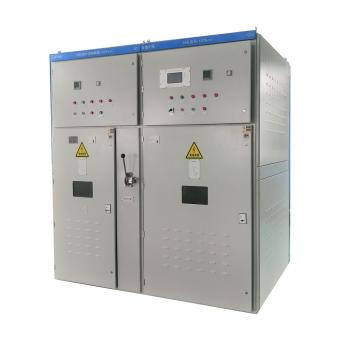
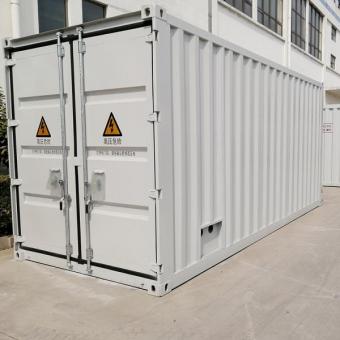
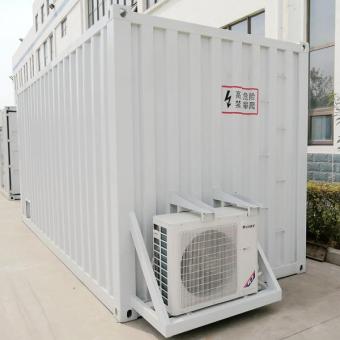
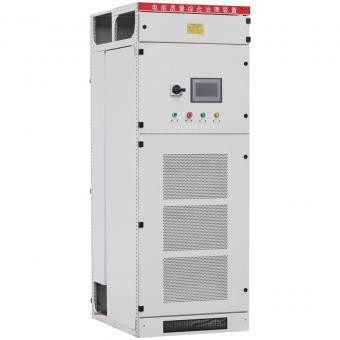
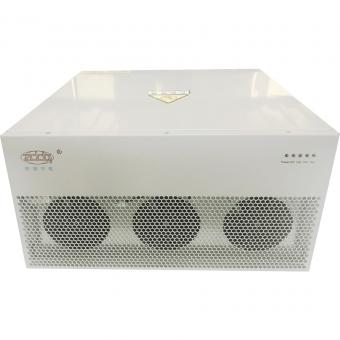
Low voltage capacitor bank panel
Feb 19,2025
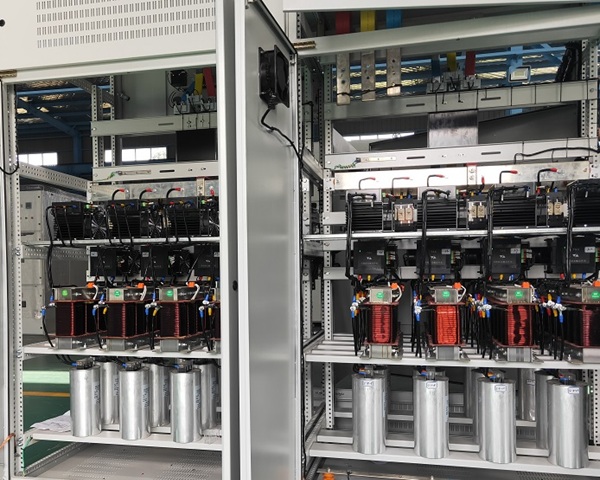
In modern power systems, low-voltage capacitor cabinets, as an important reactive power compensation device, play an indispensable role. It can effectively improve the power factor of the power system, reduce line losses, improve the quality of power, and ensure the stable operation of the power system.
Ⅰ. Working principle
The low-voltage capacitor cabinet mainly realizes reactive power compensation based on the characteristics of capacitors. In AC circuits, capacitors can store and release electrical energy, which is opposite to the characteristics of inductance. When there are a large number of inductive loads (such as motors, transformers, etc.) in the power system, the current will lag behind the voltage and generate reactive power. The low-voltage capacitor cabinet generates an advanced reactive current by investing a capacitor of appropriate capacity, which offsets the lagging reactive current generated by the inductive load, thereby improving the power factor and reducing the phase difference between current and voltage.
Ⅱ. Structural composition
-
Cabinet: Made of high-quality cold-rolled steel plate, it has good mechanical strength and protective performance. The cabinet structure is reasonably designed for easy installation, maintenance and repair.
-
Capacitor: It is the core component of the capacitor cabinet, usually using self-healing metallized polypropylene film capacitors. This type of capacitor has the advantages of low loss, long life, and good self-healing performance, which can effectively improve the compensation effect of the capacitor cabinet.
-
Switch: used to control the input and removal of capacitors. Common switch include contactor, compound switch and thyristor switch. Different switch have different characteristics and are suitable for different application scenarios.
-
Controller: real-time monitoring of the operating parameters of the power system, such as power factor, voltage, current, etc., and automatically control the action of the switch according to the set parameters to realize the intelligent switching of capacitors.
-
Protection device: including fuse, thermal relay, overvoltage protector, etc., used to protect the safe operation of capacitor cabinet and power system. When abnormal conditions such as overcurrent, overvoltage, undervoltage, etc. occur, the protection device can act quickly to cut off the circuit and avoid equipment damage.
III. Technical advantages
-
Improve power factor: effectively improve the power factor of the power system, reduce reactive power loss, and reduce electricity bills.
-
Reduce line loss: reduce the energy loss of current during transmission and improve power transmission efficiency.
-
Improve power quality: stabilize voltage, reduce voltage fluctuations and flicker, and improve the stability and reliability of the power system.
-
Extend equipment life: Reduce the impact of inductive loads on the power system, reduce the failure rate of equipment, and extend the service life of equipment.
IV. Application fields
-
Industrial field: Widely used in various factories, mines, metallurgy and other enterprises to compensate for the reactive power of inductive loads such as motors and transformers.
-
Commercial field: Such as shopping malls, hotels, office buildings and other places, it can improve the stability of the power system and ensure the normal operation of various electrical equipment.
-
Residential life: Installing low-voltage capacitor cabinets in the distribution room of residential areas can improve the power quality of residents' electricity and improve the safety of electricity use.
Low-voltage capacitor cabinet technology plays an important role in modern power systems. With the continuous development of power technology, the performance and intelligence of low-voltage capacitor cabinets will continue to improve, providing more reliable guarantees for the efficient and stable operation of power systems.