In the power distribution rooms of industrial enterprises, harmonic issues have evolved from "hidden fault sources" into "explicit operational risks". The large-scale application of nonlinear loads such as variable frequency drives, welding equipment, UPS systems, LED lighting and switching power supplies improves production efficiency, yet injects substantial harmonic currents into the power grid.
Harmonics bring systematic hazards: they cause overheating and overload of capacitors, increase additional losses and temperature rise of transformers, interfere with the normal operation of sensitive electronic devices (such as PLCs, sensors and computers), and may even trigger false tripping of protection devices. The demand for harmonic mitigation has shifted from an "optional add-on" to fundamental engineering work to guarantee production stability.
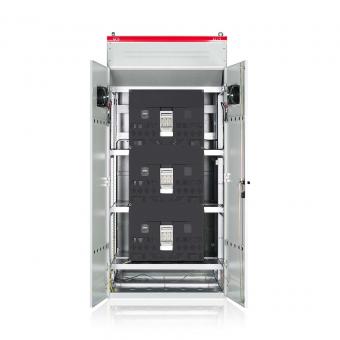
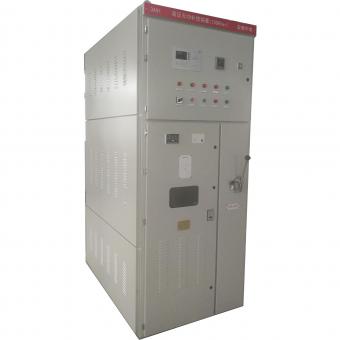
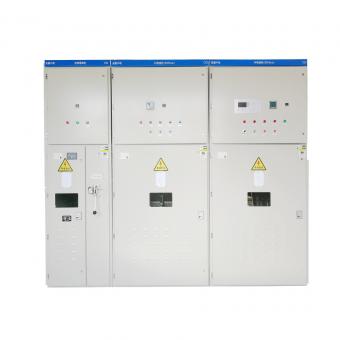
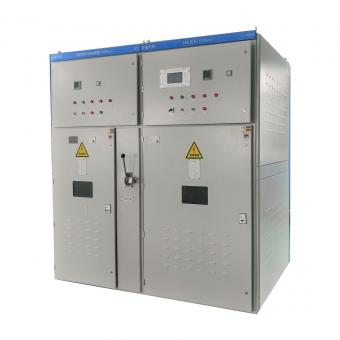
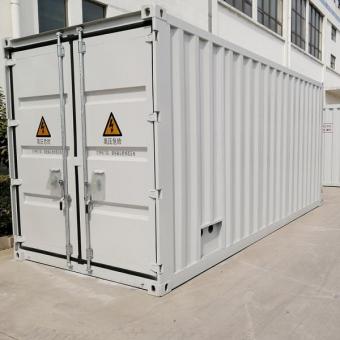
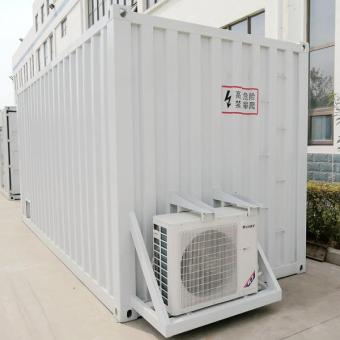
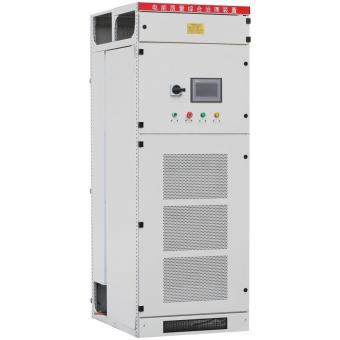
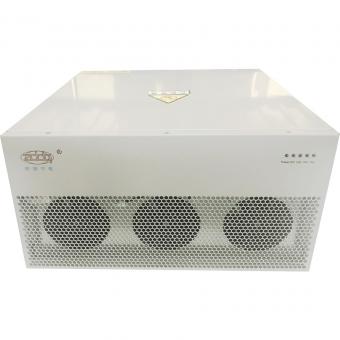
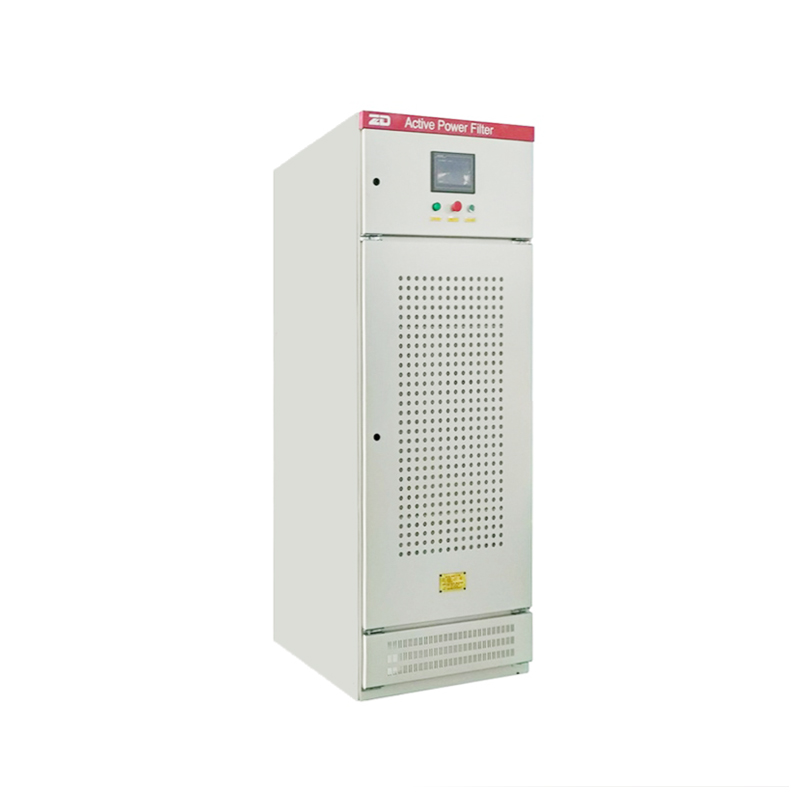
Active Power Filter (APF) is one of the mainstream technical solutions for harmonic suppression. Compared with passive filters (tuned branches composed of capacitors and reactors), APF avoids resonance, is immune to changes in system impedance, and can suppress multiple harmonic orders simultaneously, delivering prominent advantages under complex harmonic conditions.
To select a proper APF, it is essential to understand where harmonics originate and how APF operates.
Variable Frequency Drives (VFDs): They are the most widespread harmonic sources in industrial plants. A VFD converts grid-frequency AC into DC via a rectifier, then the inverter outputs adjustable-frequency AC. The rectification stage generates abundant harmonic currents, dominated by the 5th, 7th, 11th and 13th harmonics.
Welding equipment: Manual arc welding, gas shielded welding, resistance welding and other welding devices feature highly nonlinear and sharply fluctuating current waveforms. Welding equipment has a wide harmonic spectrum ranging from the 2nd to the 50th order, along with certain non-integer harmonics (interharmonics).
Electric arc furnaces and refining furnaces: During smelting, the constantly changing arc length results in highly nonlinear and asymmetric current waveforms. Arc furnaces have an extremely broad harmonic spectrum with prominent interharmonics and subharmonics, exerting the most severe impact on power distribution systems.
UPS and switching power supplies: Adopting rectifier-inverter (or high-frequency switching) topology, UPS and switching power supplies are major sources of the 3rd, 5th and 7th harmonics. In data centers, office buildings and hospitals, superposition of harmonics from UPS and LED lighting may lead to severe voltage distortion.
New energy grid-tied inverters: Photovoltaic inverters and wind power converters generate switching-frequency-related harmonic currents when converting DC power into AC power. With the growing adoption of distributed new energy in industrial facilities, the impact of this harmonic source keeps rising.
APF uses current transformers (CTs) to detect harmonic currents on the load side in real time. Its controller rapidly calculates the components and magnitude of harmonic currents to be compensated, then commands the power converter to output compensation currents equal in magnitude and opposite in direction to the load harmonic currents and inject them into the grid, so as to dynamically cancel out harmonics.
This process runs in real time with a millisecond-level response time. Unlike passive filters that only work at fixed frequencies determined by tuned branch parameters, APF can suppress harmonics from the 2nd up to the 50th order (or higher) at the same time, and its suppression performance will not be affected by variations in system impedance.
Harmonic mitigation is critical for the stable operation of industrial power distribution systems. Featuring resonance-free operation, dynamic compensation and simultaneous suppression of multiple harmonic orders, APF is well suited for diverse nonlinear loads such as variable frequency drives, arc furnaces and new energy inverters. Proper harmonic source survey, accurate capacity calculation and rational selection of standalone or modular parallel schemes can maximize the performance of active power filters, reduce risks including equipment overheating and false relay tripping, and secure continuous, safe and efficient power supply for industrial production.
Categories
new blog


NO.25,JINHE RD,HUAIYUAN ECONOMIC DEVELOPMENT ZONE ,BENGBU,ANHUI
Scan to WhatsApp: