Working principle
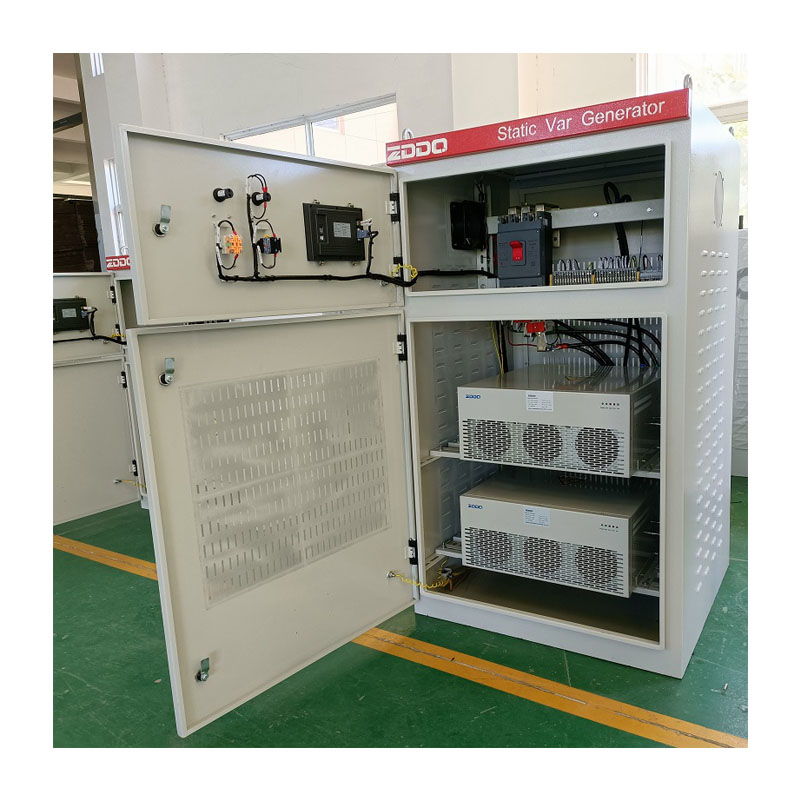
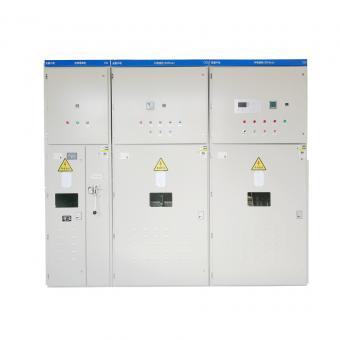
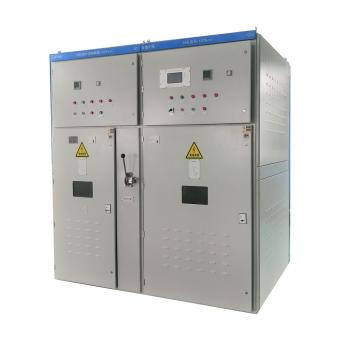
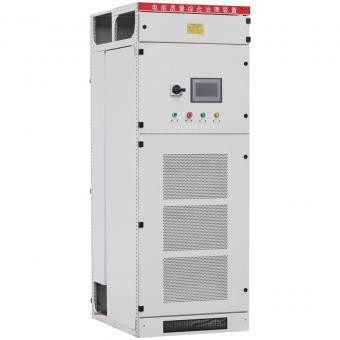
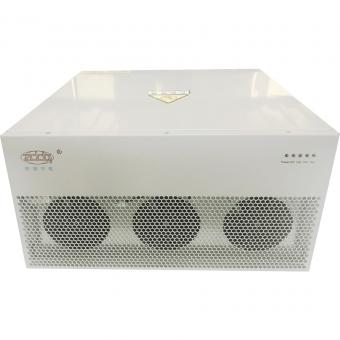
Low-voltage SVG: Based on power electronics technology, by controlling power devices such as IGBT, the DC side electric energy is converted into AC electric energy with the same frequency and phase as the grid voltage, the reactive power demand of the grid is monitored in real time, and capacitive or inductive reactive current is dynamically generated to achieve accurate compensation of reactive power.
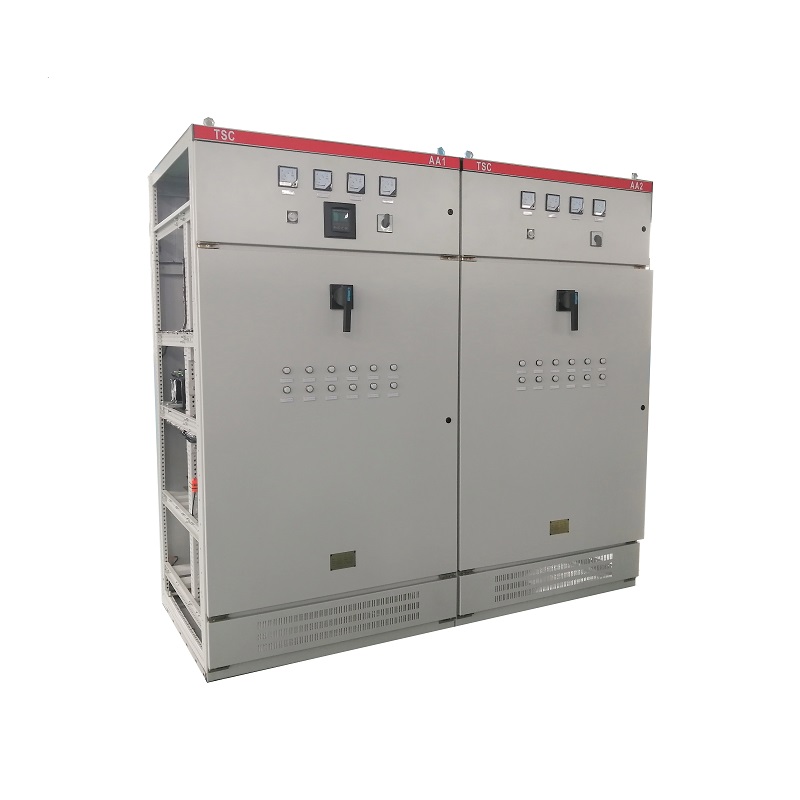
Low-voltage capacitor cabinet: Using the capacitive characteristics of capacitors, by adding or removing capacitor groups of different capacities in the grid, fixed capacitive reactive power is provided to compensate for the reactive power consumed by the inductive load and improve the power factor.
Performance characteristics
1. Compensation accuracy
Low-voltage SVG: It can achieve continuously adjustable reactive power compensation with high compensation accuracy, which can be accurate to 0.1% or even higher. It can quickly track the changes in reactive power of the grid and provide the required reactive compensation in time.
Low-voltage capacitor cabinet: The compensation accuracy is relatively low. Since reactive power compensation is achieved by switching capacitor banks, the compensation amount changes in a step-by-step manner, and continuous and precise adjustment cannot be achieved.
2. Response speed
Low-voltage SVG: The response speed is extremely fast, generally between a few milliseconds and tens of milliseconds. It can respond to changes in reactive power of the power grid in a very short time and quickly adjust reactive output.
Low-voltage capacitor cabinet: The response speed is slow. Switching capacitor banks takes a certain amount of time, generally in seconds, and cannot track rapidly changing reactive loads in time.
3. Harmonic impact
Low-voltage SVG: It can not only compensate reactive power, but also effectively suppress harmonic currents in the power grid, will not cause harmonic pollution to the power grid, and can even play a filtering role.
Low-voltage capacitor cabinet: It may resonate with the inductive elements in the power grid, resulting in harmonic amplification and aggravating the harmonic pollution of the power grid. Special filtering devices need to be configured to avoid this situation.
Application scenarios
1. Load characteristics
Low-voltage SVG: Suitable for occasions with frequent load changes and rapid changes in reactive power demand, such as dynamic loads such as arc furnaces, rolling mills, and elevators. It can well meet the requirements of these loads for rapid and accurate reactive compensation.
Low-voltage capacitor cabinet: Suitable for occasions with relatively stable loads and little change in reactive power demand, such as general industrial plants and office buildings. Its fixed reactive compensation method can meet the basic reactive compensation needs of such loads.
2. Requirements for power quality
Low-voltage SVG: In occasions with high requirements for power quality, such as electronic chip manufacturers, hospitals, data centers, etc., it can provide high-quality reactive compensation to ensure stable grid voltage and low harmonic content, and ensure the normal operation of sensitive equipment.
Low-voltage capacitor cabinet: For general places where power quality requirements are not particularly strict, it can meet the basic power factor improvement requirements to achieve energy saving and meet the requirements of the power supply department.
Maintenance cost
Low-voltage SVG: Due to the use of complex power electronic equipment, its maintenance cost is relatively high, requiring professional technicians to perform regular maintenance and overhaul, and the replacement cost of equipment is also high.
Low-voltage capacitor cabinet: The structure is relatively simple and the maintenance cost is low. It mainly involves regular inspection of the operating status of the capacitor and the tightness of the connecting wires, replacement of damaged capacitors, etc. The technical requirements for maintenance personnel are relatively low.