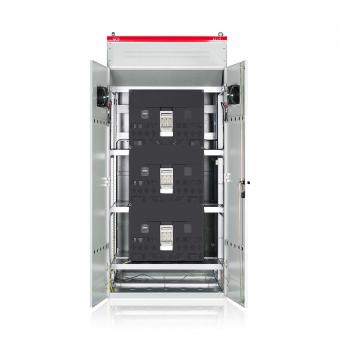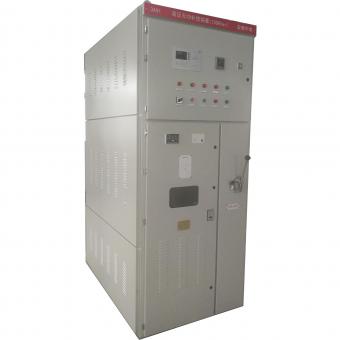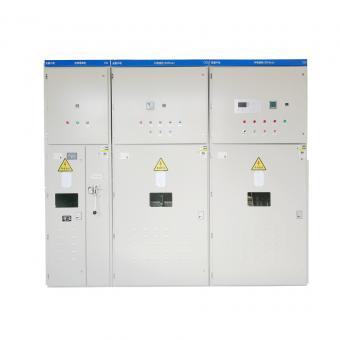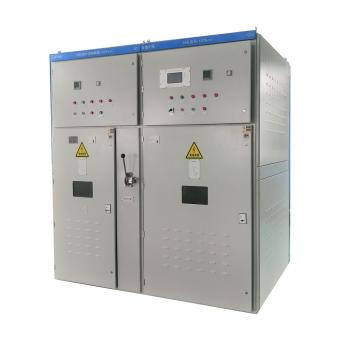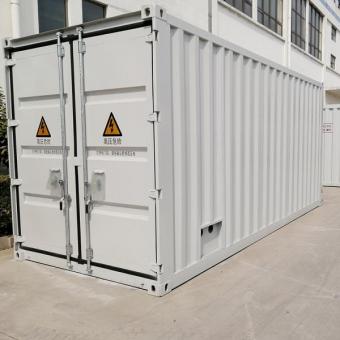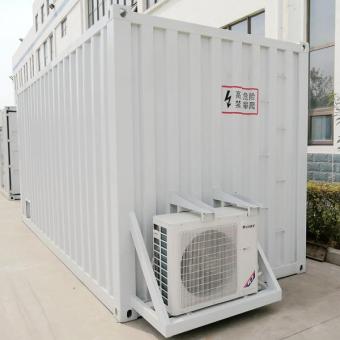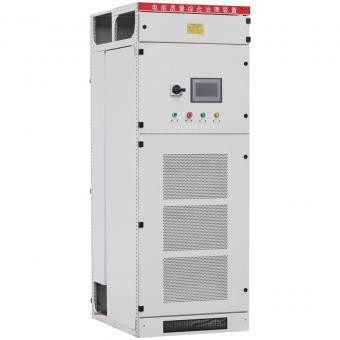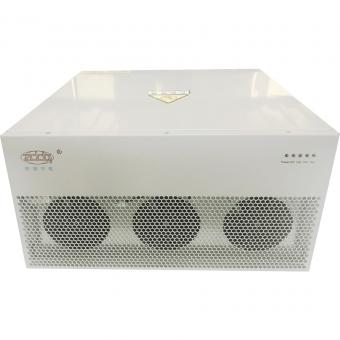
Capacitor compensation cabinets can effectively improve the power factor of the power grid, save energy, and improve power supply quality.
Power factor refers to the percentage of apparent power in a power grid that is used to supply active power. In the operation of a power grid, a higher power factor is desirable. If this is achieved, most of the apparent power in the circuit will be used to supply active power, thus reducing reactive power consumption.
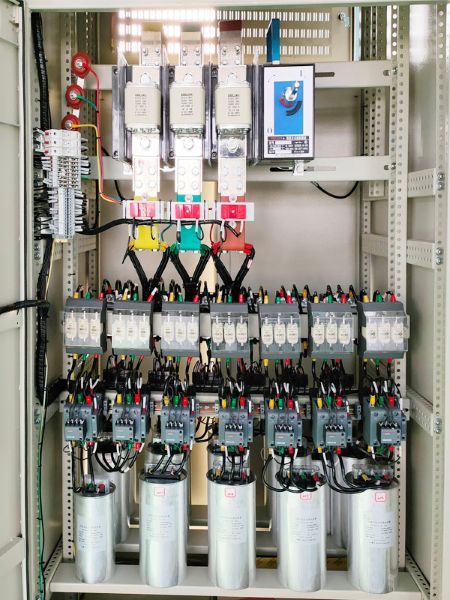
Capacitor compensation cabinet – a major factor affecting power factor
Asynchronous motors and power transformers are the main devices that consume reactive power.
The air gap between the stator and rotor of an asynchronous motor is the main factor determining its reactive power consumption. The reactive power consumed by an asynchronous motor consists of two parts: its no-load reactive power and the increase in reactive power under a certain load. Therefore, to improve the power factor of an asynchronous motor, it is necessary to prevent the motor from operating under no-load and to maximize the load factor.
The main component of reactive power consumed by a transformer is its no-load reactive power, which is independent of the load factor. Therefore, in order to improve the power factor of the power system and enterprises, transformers should not be operated under no-load conditions or in a low-load operating state for extended periods.
A power supply voltage outside the specified range can also have a significant impact on the power factor.
When the supply voltage exceeds the rated value by 10%, reactive power will increase rapidly due to magnetic circuit saturation. According to relevant statistics, when the supply voltage is 110% of the rated value, reactive power in a typical factory will increase by about 35%. When the supply voltage is lower than the rated value, reactive power decreases accordingly, thus improving the power factor. However, a lower supply voltage will affect the normal operation of electrical equipment. Therefore, measures should be taken to keep the power supply voltage of the power system as stable as possible.
Fluctuations in the power grid frequency can also have a certain impact on the magnetizing reactive power of asynchronous motors and transformers.
The choice of materials for AC asynchronous motors and transformers has a certain impact on the power factor.
With the advent of frequency converters, many companies have adopted variable frequency motors. The differences between variable frequency motors and ordinary motors, besides the presence or absence of encoders and differences in core pressing processes, are primarily due to the different core materials. Variable frequency motors use higher-quality core materials to reduce iron losses and improve motor performance. This is readily apparent when identifying a frequency converter by observing the excitation time. Currently, transformers on the market vary greatly in price. Besides the difference between aluminum and copper core windings, the main differences lie in the core material and manufacturing process. Whether or not national standard high-quality copper wire and a high-quality core are used directly affects the transformer's copper and iron losses, thus impacting the power factor of the power grid. Under the same conditions, transformers with inferior materials will have higher noise, higher temperature rise, greater losses, and a lower power factor after being put into operation.
The effect of load on power factor
A three-phase unbalanced power grid has a low power factor. In addition, the higher the proportion of equipment such as frequency converters, inverters, and thyristor speed control devices used, the lower the power factor.
Categories
new blog


NO.25,JINHE RD,HUAIYUAN ECONOMIC DEVELOPMENT ZONE ,BENGBU,ANHUI
Scan to WhatsApp: