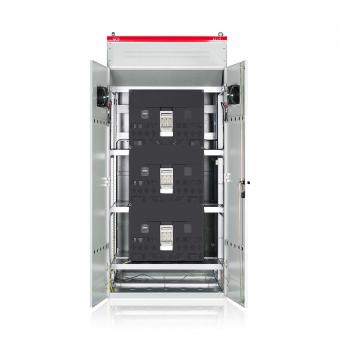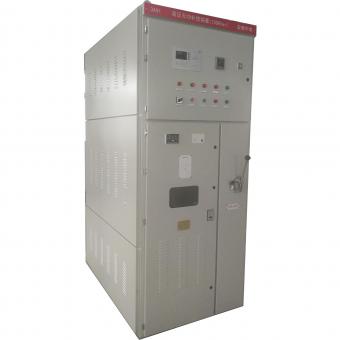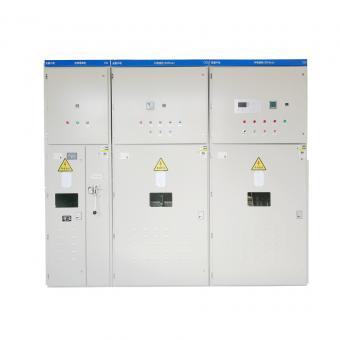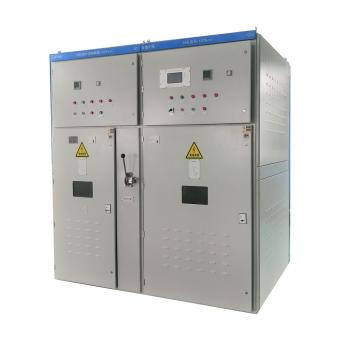
In high- and low-voltage power distribution systems, "capacitor compensation" is an indispensable technical term. Whether in factories, commercial buildings, or data centers, the capacitor compensation units housed within low-voltage cabinets act like "invisible electricians," quietly enhancing the operational efficiency of the power system.
To understand capacitive compensation, one must first grasp the concept of "reactive power."
In power systems, electrical energy usage falls into two categories: active power (which performs direct work, such as driving a motor or illuminating a light bulb) and reactive power (which does not perform direct work itself but provides the energy needed to establish electromagnetic fields and maintain stable current, such as the magnetic field energy stored when a motor starts).
The issue lies with reactive power: inductive loads—such as motors and transformers—consume large amounts of reactive power, leading to a situation where the supply of reactive power in the grid falls short of demand. Consequently, the grid must "borrow" or source additional reactive power to bridge this gap, resulting in two consequences:
Increased line losses: Reactive current flowing through conductors generates additional heat, resulting in wasted electrical energy;
Reduced power factor: Grid operators (such as power supply bureaus) base their charges on the user's power factor (active power divided by apparent power); if the power factor falls below the standard (e.g., 0.9), the user is required to pay a "power factor adjustment surcharge."
The essence of capacitive compensation lies in using parallel-connected capacitors to generate reactive power that offsets the reactive power consumed by inductive loads; this allows the grid's "reactive power deficit" to be met locally, thereby reducing line losses and improving the power factor.
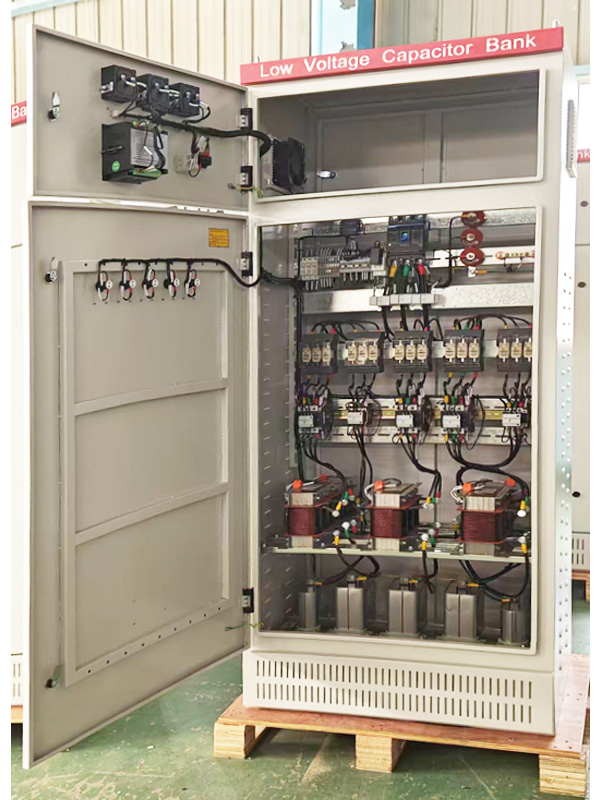
Installing capacitor compensation units in low-voltage cabinets is a practical necessity. Their core value lies in four key areas:
1. Cost Reduction: Lowering Electricity Expenses
By compensating for reactive power, capacitor compensation cabinets can raise the system's power factor to a level approaching unity, thereby reducing line losses and lowering electricity costs.
2. Capacity Enhancement: Maximizing Existing Grid Potential
Improving the power factor allows the system to utilize existing capacity more efficiently, effectively increasing the power supply capability of the equipment. This offers a cost-effective solution for users who need to expand capacity but are constrained by the limits of their existing equipment.
3. Grid Stability: Improving Voltage Quality
Capacitor compensation reduces line voltage drops, stabilizes system voltage, and improves power quality. This is crucial for ensuring the proper operation of precision equipment and enhancing product quality.
4. Compliance: Meeting Grid Connection Requirements
Grid regulations mandate that user power factors meet specific standards; compensation cabinets are essential equipment for achieving compliance with these requirements.
As a key technical measure in power systems, capacitive compensation plays a vital role in improving the efficiency of electrical energy utilization, reducing energy losses, and ensuring the safe operation of equipment. By selecting an appropriate capacitive compensation scheme, enterprises can significantly lower production costs and enhance economic benefits.
Categories


NO.25,JINHE RD,HUAIYUAN ECONOMIC DEVELOPMENT ZONE ,BENGBU,ANHUI
Scan to WhatsApp: