With the rapid development of modern industries, electrical loads are becoming increasingly complex, bringing higher requirements for power quality, energy efficiency, and grid stability. High voltage capacitor cabinets have become an essential solution for improving power factor, reducing reactive power losses, and optimizing the performance of power distribution systems.
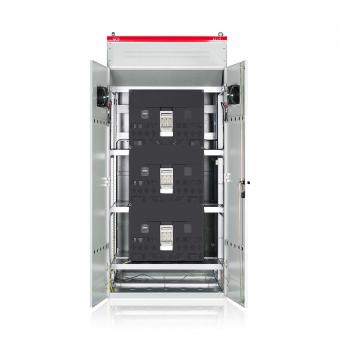
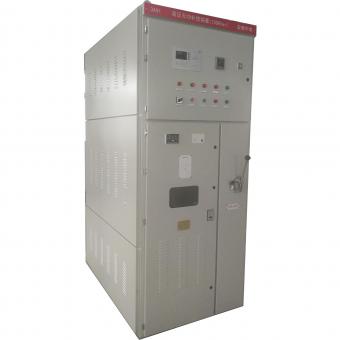
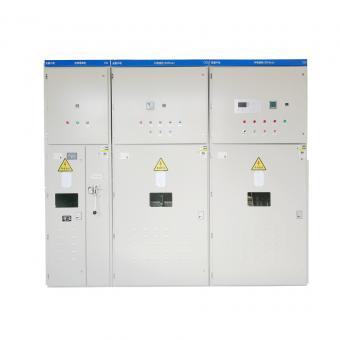
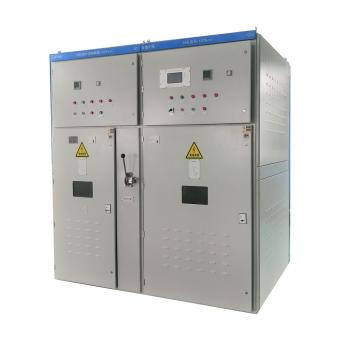
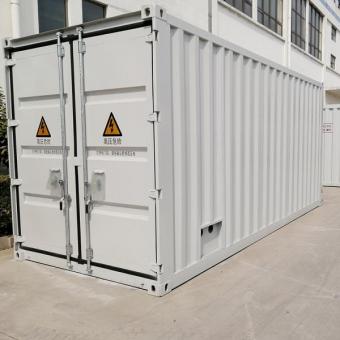
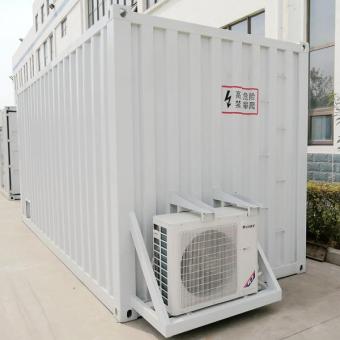
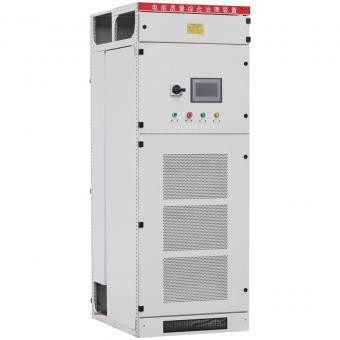
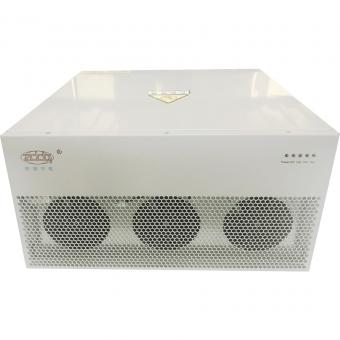
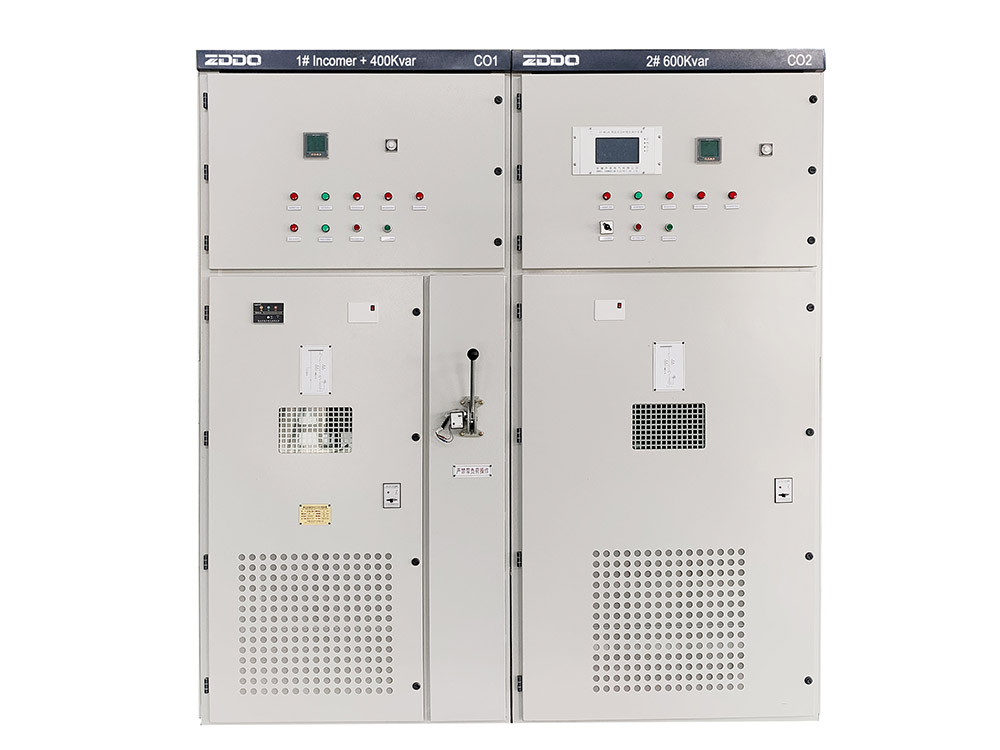
The high voltage capacitor cabinet shown in the image is designed for reactive power compensation in medium and high voltage electrical networks. By automatically switching capacitor units according to system demand, it helps maintain a stable power factor and ensures efficient operation of electrical equipment.
A high voltage capacitor cabinet is an electrical compensation device mainly composed of capacitor units, switching equipment, protection components, discharge devices, and control systems.
It is typically installed in substations, industrial plants, power generation facilities, and large commercial buildings. The main function is to provide reactive power compensation, allowing electrical systems to operate more efficiently.
In an AC power system, many loads such as motors, transformers, and industrial machines consume reactive power. Excessive reactive power increases current flow, causes additional losses, and reduces the utilization efficiency of power equipment. High voltage capacitor cabinets solve this problem by supplying reactive power locally.
One of the primary benefits of a high voltage capacitor cabinet is improving the power factor of electrical systems.
A higher power factor means that more electrical energy is converted into useful work, while reducing unnecessary reactive current. This helps:
When reactive current decreases, the current flowing through cables and transformers is reduced. This minimizes:
For large industrial facilities with continuous operation, these improvements can significantly reduce operating costs and improve energy management.
Voltage fluctuations and unstable reactive power demand can affect the reliability of power networks. High voltage capacitor cabinets provide dynamic reactive power support, helping maintain stable voltage levels.
They are especially valuable in applications such as:
A high voltage capacitor cabinet generally includes:
The operating principle is simple: when the system requires more reactive power, capacitor groups are switched on; when demand decreases, unnecessary capacitor stages are disconnected. This automatic regulation maintains an optimal power factor.
High voltage capacitor cabinets are widely used in:
As industries move toward smarter and greener energy management, capacitor compensation technology will continue to play an important role in modern electrical infrastructure.
For enterprises seeking higher energy efficiency and better power quality, investing in high voltage capacitor compensation equipment is an effective step toward a smarter and more sustainable power system.
Categories


NO.25,JINHE RD,HUAIYUAN ECONOMIC DEVELOPMENT ZONE ,BENGBU,ANHUI
Scan to WhatsApp: