Low-voltage SVG (Static Var Generator): A key compensation device for power systems
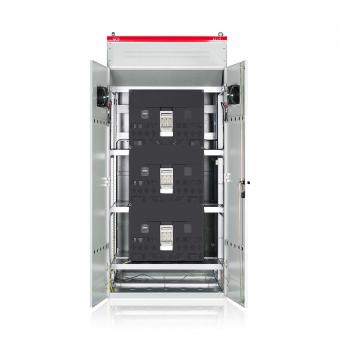
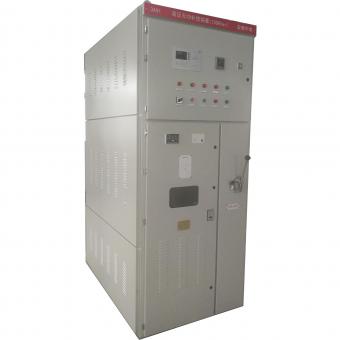
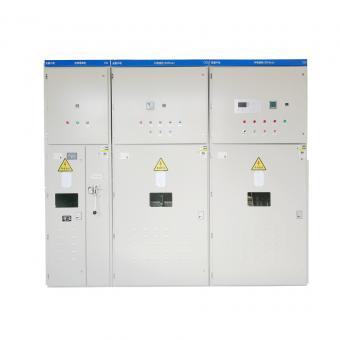
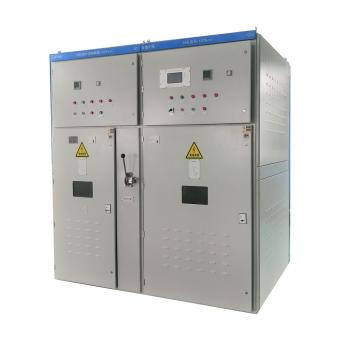
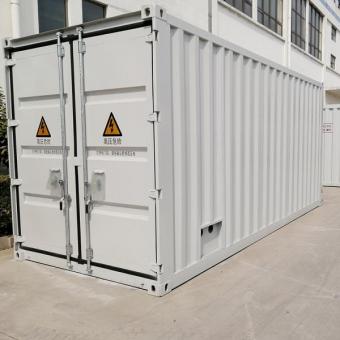
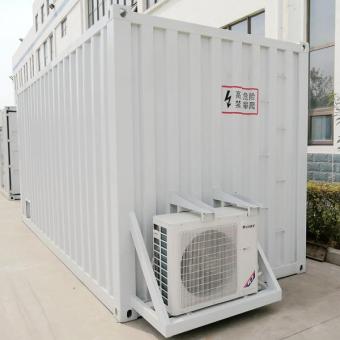
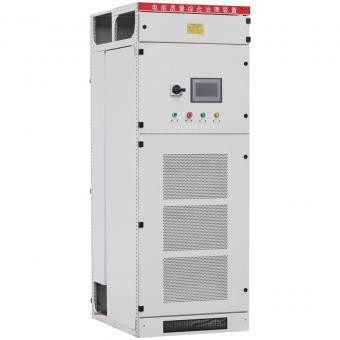
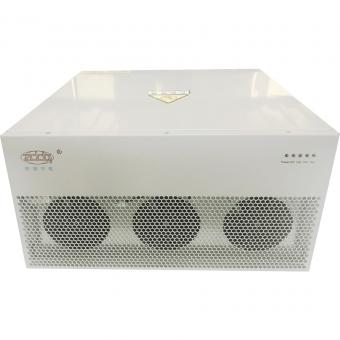
In modern power systems, power quality is a crucial aspect. With the development of industry and the increase of various complex power loads, the balance of reactive power in the power grid has become increasingly critical. As an advanced reactive compensation device, low-voltage SVG (static var generator) plays an irreplaceable role in improving power quality and stabilizing grid voltage.
Working principle of low-voltage SVG
1. Basic concept
- Reactive power is the power component used to establish and maintain electromagnetic energy conversion such as electric field and magnetic field in the power system. Traditional power loads, such as motors and transformers, not only consume active power for energy conversion during operation, but also require reactive power to establish magnetic fields, etc. If the reactive power supply is insufficient, it will lead to problems such as grid voltage drop and power factor reduction.
- Low-voltage SVG converts DC power into AC power through power electronics technology, and dynamically outputs reactive power according to the needs of the power grid. It uses turn-off power electronic devices (such as IGBT, etc.) to form an inverter.
2. Working Mechanism
- Real-time monitoring: Low-voltage SVG can monitor the voltage, current and reactive power of the power grid in real time. Through high-precision sensors, it can quickly obtain information about the operating status of the power grid.
- Control algorithm: Based on advanced control algorithms, such as instantaneous reactive power theory. When the reactive power of the power grid is insufficient, the control system of SVG will calculate the reactive power required to be output according to the preset target value. Then, by adjusting the amplitude and phase of the output voltage of the inverter, it outputs a suitable reactive current, thereby injecting reactive power into the power grid. Conversely, when the reactive power of the power grid is excessive, SVG can absorb the excess reactive power.
Features and advantages of low-voltage SVG
1. Fast dynamic response speed
- Compared with traditional reactive compensation devices (such as capacitors, reactors, etc.), the dynamic response speed of low-voltage SVG is very fast. It can respond to changes in reactive power of the power grid within milliseconds. For example, when industrial loads suddenly start or stop, it will cause a sharp change in the reactive power of the power grid. Low-voltage SVG can quickly adjust its output, stabilize the grid voltage, and avoid power quality problems such as voltage flicker.
2. High compensation accuracy
- Its compensation accuracy can reach a very high level. It can accurately output the required reactive power, so that the power factor of the power grid is close to 1. This is very important for some places with high requirements for power quality, such as precision electronic manufacturing factories and data centers. In these places, even a small reactive power fluctuation may affect the normal operation of the equipment.
3. Continuously adjustable reactive power
- Unlike discrete reactive compensation devices such as capacitor banks, low-voltage SVG can achieve continuous adjustment of reactive power within its rated capacity. This means that it can flexibly provide reactive power of different sizes according to the actual needs of the power grid, and better adapt to the complex and changeable power grid operating conditions.
Application areas of low-voltage SVG
1. Industrial field
- In industrial enterprises, a large number of loads such as motors and arc furnaces are the main consumers of reactive power. For example, an arc furnace will produce violent reactive power fluctuations during the smelting process, resulting in grid voltage fluctuations and three-phase imbalance. Low-voltage SVG can be installed in the enterprise's power distribution system to dynamically compensate for reactive power, improve the power factor of the entire enterprise, reduce power loss, and ensure the stable operation of production equipment.
2. Commercial buildings
- Air conditioning systems, elevators, lighting and other equipment in commercial buildings also consume reactive power. Especially during peak power consumption periods, the increase in reactive power demand may cause the grid voltage to drop. Low-voltage SVG can be installed in the distribution room of the building to optimize power quality, reduce the risk of equipment failure caused by power quality problems, and extend the service life of equipment.
3. Access to new energy power generation
- With the rapid development of new energy power generation such as solar energy and wind energy, its access to the grid has brought new challenges. New energy power generation is intermittent and volatile, which will affect the reactive power balance of the grid. Low-voltage SVG can be used in conjunction with new energy power generation systems to adjust reactive power on the power generation side to improve the grid connection stability and power quality of new energy power generation.
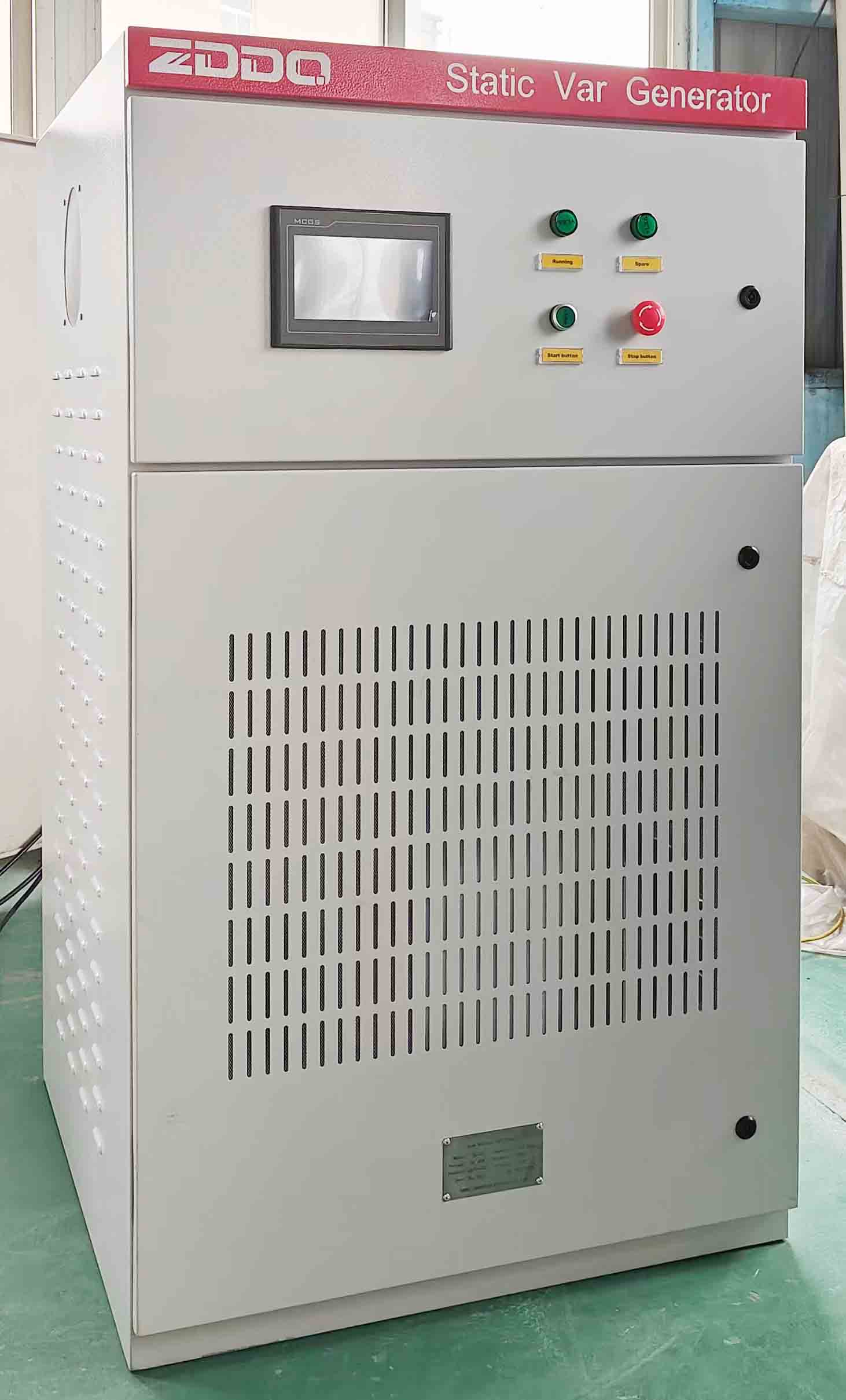
As an advanced reactive power compensation device, low-voltage SVG plays an important role in modern power systems. Its fast dynamic response, high-precision compensation and continuous adjustment make it widely used in many fields such as industry, commerce and new energy. With the continuous development of power technology and the further improvement of power quality requirements, low-voltage SVG is expected to play a more important role in future power systems and make greater contributions to the realization of efficient, stable and high-quality power supply.
Categories


NO.25,JINHE RD,HUAIYUAN ECONOMIC DEVELOPMENT ZONE ,BENGBU,ANHUI
Scan to WhatsApp: