I. Equipment Selection and Upgrading
1. Selection of High-Efficiency Energy-Saving Equipment For motors, choose high-efficiency motors that meet the national Class 1 energy efficiency standard. These motors utilize advanced materials and manufacturing processes in their design and production. For lighting equipment, LED fixtures should be prioritized due to their high luminous efficacy and long lifespan—achieving luminous efficacy levels of 100–150 lm/W, several times higher than traditional incandescent lamps.
2. Equipment Upgrade and Modernization For outdated transformers, upgrades or replacements can be implemented. The adoption of new energy-efficient transformers, such as amorphous alloy core transformers, reduces no-load losses by 70%–80% compared to traditional silicon steel core transformers. This energy-saving effect is particularly pronounced under light grid loads. For large equipment like fans and pumps, variable frequency drive (VFD) technology can be employed for modernization. Taking centrifugal fans as an example, installing a VFD allows adjustment of the fan speed according to actual production requirements, effectively reducing energy consumption. When the fan speed decreases to 80% of its rated speed, its power consumption drops to approximately 51.2% of the rated power.
II. Optimization of Power Supply and Distribution Systems
1. Rational Design of Power Supply and Distribution Systems
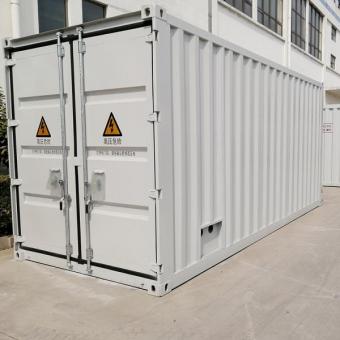
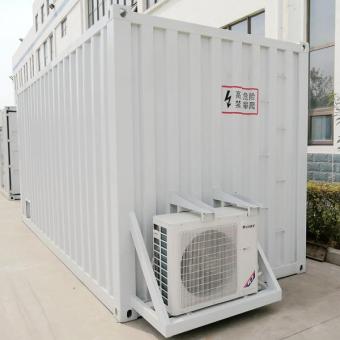
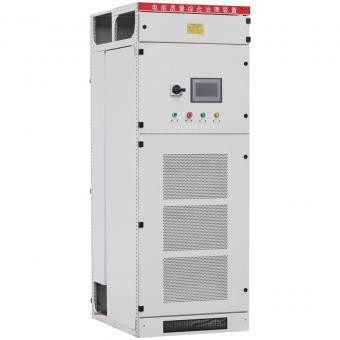
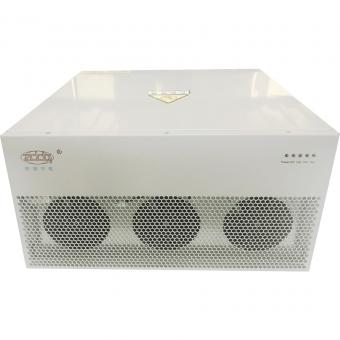
During the design phase of a factory's power supply and distribution system, the transformer capacity and quantity should be selected appropriately based on equipment layout and load distribution. Avoid prolonged operation of transformers under light or overload conditions. The optimal operating load rate for transformers typically ranges between 70% and 80%. For example, a factory with a maximum load of 800 kW should install two 500 kW transformers, ensuring both adequate power supply and efficient transformer operation. Optimize cable selection and installation methods. Choose cables with suitable cross-sectional areas to minimize line losses while maintaining sufficient current-carrying capacity. Implement reliable cable installation practices—such as underground or cable trench installation—to reduce environmental impacts and minimize energy losses caused by increased resistance due to temperature and humidity fluctuations. Reactive Power Compensation Install reactive power compensation devices like Active Harmonic Filters (AHF) or Static Var Generators (SVG). These devices monitor grid reactive power in real-time and provide targeted compensation to improve the power factor. An improvement in the power factor from 0.7 to 0.95 reduces line losses by approximately 30%–40%. For instance, installing an SVG in a factory's distribution room increased the power factor from 0.8 to 0.98, significantly lowering both reactive power costs and losses in transformers and transmission lines.
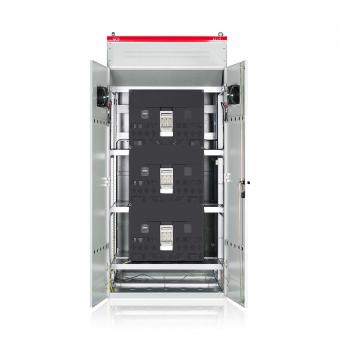
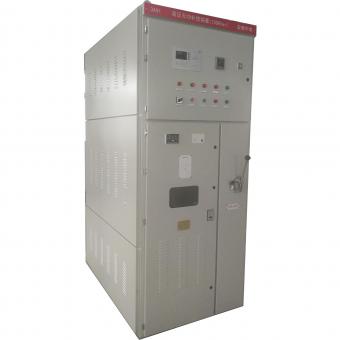
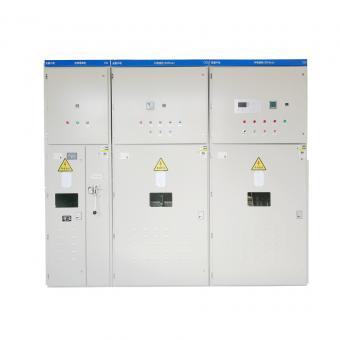
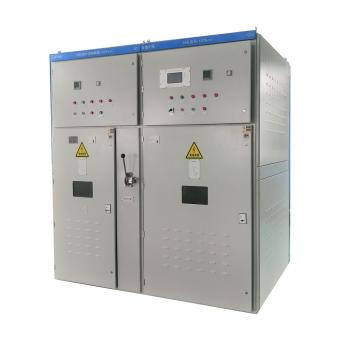
The low-voltage active filter effectively suppresses harmonics across the entire frequency band, eliminating higher-order harmonics (3rd, 5th, and 7th orders) generated by inverters, servo systems, welding machines, and rectifier equipment. This prevents tripping incidents, equipment damage, and instrument malfunctions caused by harmonic interference. With dynamic and precise reactive power compensation, it continuously monitors load variations in real time and delivers rapid reactive power supplementation—offering significantly higher compensation accuracy than capacitor banks. The system provides comprehensive protection for the entire power distribution network, preventing harmonic intrusion and extending the service life of transformers, switchgear, and cables.
III. Energy Conservation Measures for Lighting Systems
1.Deploy energy monitoring devices including electricity meters and power analyzers to realize real-time supervision of factory power consumption. System data analysis enables detailed tracking of power, current, voltage, energy usage and other indicators of all electrical equipment. It accurately records equipment power consumption under different working conditions, supporting operational optimization and energy-saving upgrading.
2. Development and Implementation of Energy Management Strategies Based on data from the energy monitoring system, develop targeted energy management strategies. For instance, for high-energy-consuming equipment, formulate energy-saving retrofit plans or adjust their operating hours to utilize off-peak electricity rates. Additionally, establish comprehensive energy consumption targets for the entire plant, allocate these targets to individual departments and workshops, conduct regular assessments, and incentivize staff participation in energy conservation initiatives.
Categories


NO.25,JINHE RD,HUAIYUAN ECONOMIC DEVELOPMENT ZONE ,BENGBU,ANHUI
Scan to WhatsApp: