Benefits and methods of harmonic control in low-voltage power distribution system
Mar 05,2025
-
Improve power quality: Harmonics can distort voltage and current waveforms. Controlling harmonics can make voltage and current waveforms closer to sine waves, provide stable and high-quality power for various electrical equipment, ensure normal operation of equipment, and reduce equipment failures and malfunctions caused by power quality problems.
-
Reduce equipment loss: Harmonics can cause additional iron loss and copper loss in motors, transformers and other equipment, resulting in increased heating of equipment. Controlling harmonics can reduce these losses, reduce heating and wear of equipment, extend equipment service life, and reduce equipment maintenance costs.
-
Save energy: When there are a large number of harmonics in the system, the power factor will be reduced, the reactive power transmitted by the power grid will increase, and power waste will be caused. Through harmonic control, the power factor can be improved and reactive power transmission can be reduced, thereby achieving energy saving and consumption reduction.
-
Protect power equipment: Harmonics may cause resonance of equipment such as capacitors and reactors, resulting in overvoltage and overcurrent, causing serious damage to equipment. Harmonic control can eliminate or weaken the possibility of resonance and protect the safe operation of power equipment.
-
Ensure safe and stable operation of the power grid: The presence of a large number of harmonics may cause problems such as voltage fluctuations and flicker in the power grid, and may even cause power grid failures. Effective control of harmonics helps maintain the voltage and frequency stability of the power grid, improve the reliability and stability of the power grid, and ensure the normal power supply of the power system.
Methods of harmonic control
Increase the pulsation number of the rectifier: For harmonics generated by the rectifier, the harmonic content can be reduced by increasing the pulsation number of the rectifier. For example, changing a three-phase six-pulse rectifier to a rectifier with twelve pulsations or higher pulsations can effectively reduce harmonics of a specific order.
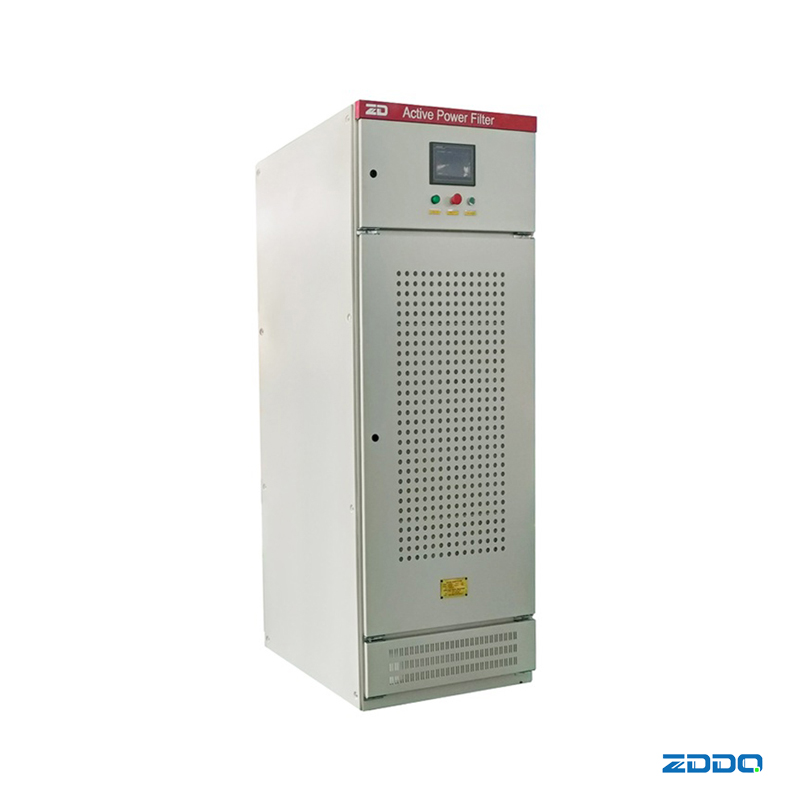
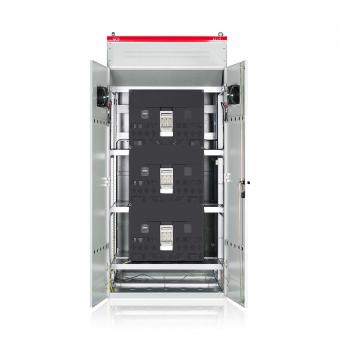
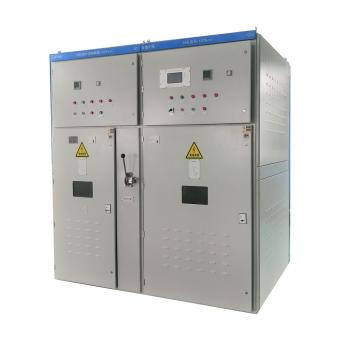
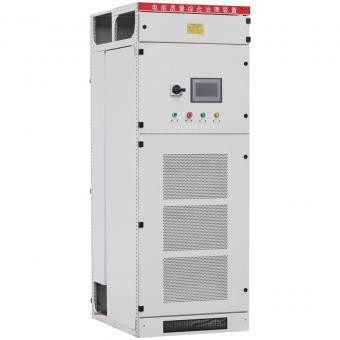
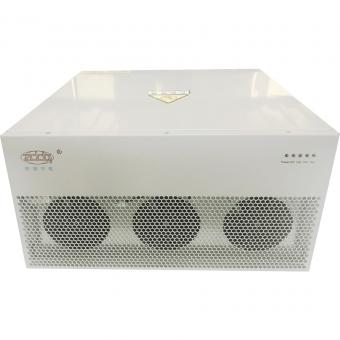
Use active power filter (APF)
-
Principle: APF is a new type of power electronic device used to dynamically suppress harmonics and compensate for reactive power. It can compensate for harmonics of varying size and frequency and varying reactive power.
-
Advantages: Fast response speed, real-time tracking and compensation of harmonic current; good compensation effect, accurate compensation of harmonics of a specific order as needed; good dynamic performance, able to adapt to rapid changes in load.
Use passive power filter (PPF)
-
Principle: The LC passive filter composed of capacitors, reactors and resistors uses the LC series or parallel resonance principle to present low impedance to harmonics of specific frequencies, thereby directing harmonic currents to the filter branch and reducing harmonic currents flowing into the power grid.
-
Advantages: simple structure, low cost, and high operational reliability.
Optimize system design and operation management
-
Reasonable selection of equipment: When designing a low-voltage distribution system, select electrical equipment with low harmonic content, such as inverters and transformers with good electromagnetic compatibility.
-
Balance three-phase load: Ensure that the three-phase load is as balanced as possible to reduce zero-sequence harmonic currents caused by unbalanced loads.
-
Increase line impedance: Under the premise of not affecting the normal operation of the system, appropriately increasing the line impedance can suppress the propagation of harmonic currents.