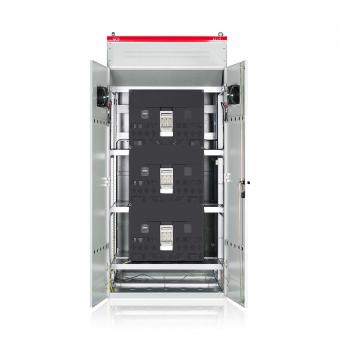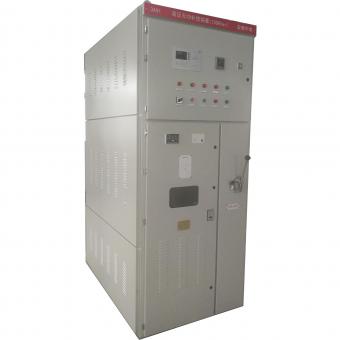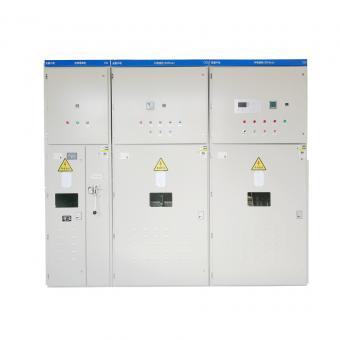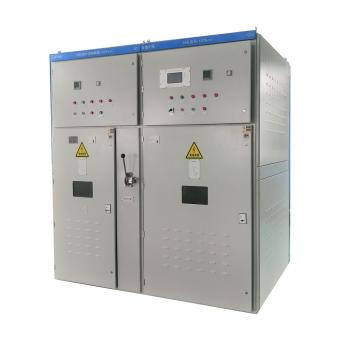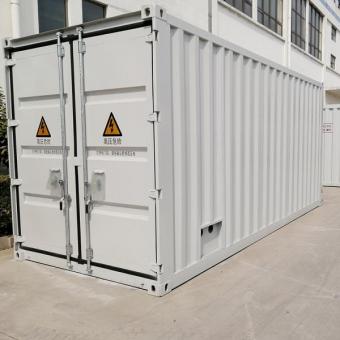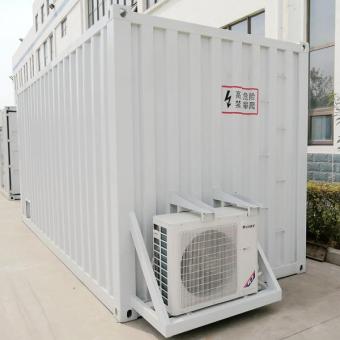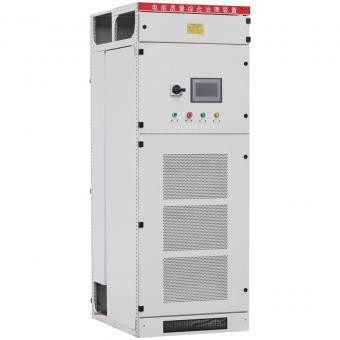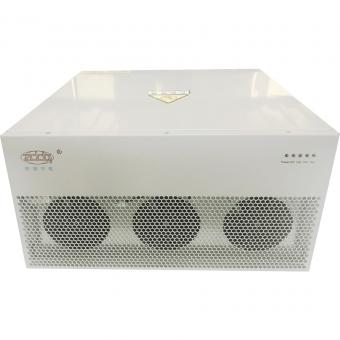
APF and SVG are two important devices used in power systems to improve power quality. We frequently encounter them in our work; what are the differences between them, and what are their functions?
1.What is APF?
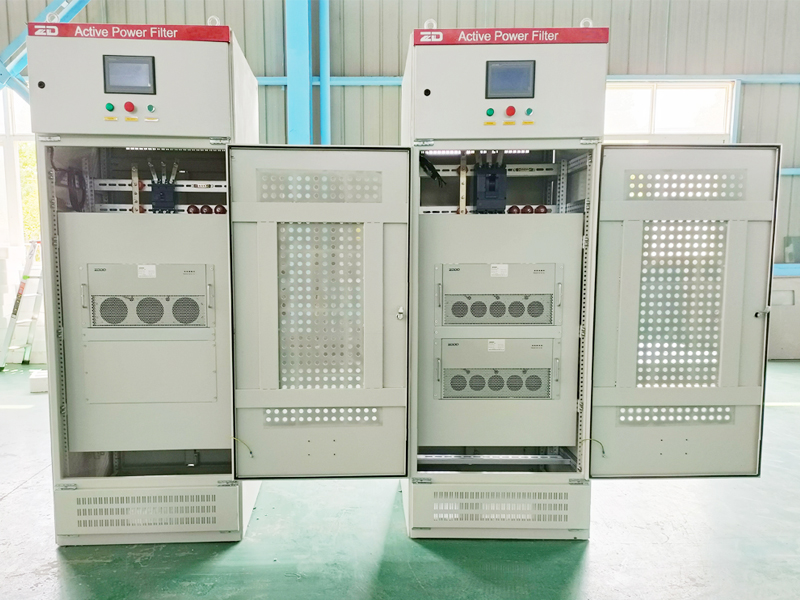
The Active Power Filter (APF) is a specialized device for mitigating power harmonics, developed using modern power electronics and digital signal processing technology based on high-speed DSP (Digital Signal Processor) components. It consists of two main sections: a reference current calculation circuit and a compensation current generation circuit. The reference current calculation circuit monitors the line current in real-time and converts the analog signal into a digital signal, which is then processed by the high-speed DSP to separate the harmonic components from the fundamental wave. The DSP outputs drive pulses—in the form of Pulse Width Modulation (PWM) signals—to the compensation current generation circuit, triggering IGBTs (Insulated Gate Bipolar Transistors) or IPM (Intelligent Power Module) power modules. This process generates a compensation current that is equal in amplitude but opposite in polarity to the grid's harmonic current; this current is injected into the grid to compensate for or cancel out the harmonics, thereby actively eliminating power harmonics.
2,What is SVG?
The Static Var Generator (SVG)—also known as a dynamic reactive power compensation device or a static synchronous compensator—is a reactive power compensation device based on self-commutating power semiconductor converter technology. Representing the third generation of reactive power compensation technology, it relies on high-power controllable devices such as IGBTs and IGCTs. It achieves reactive power conversion through the high-frequency switching of high-power power electronic components; specifically designed to address fluctuating loads in distribution networks, it provides rapid and effective dynamic reactive power compensation, capable of mitigating voltage fluctuations and flicker, load imbalances, power factor issues, and harmonics.
3.What is the difference?
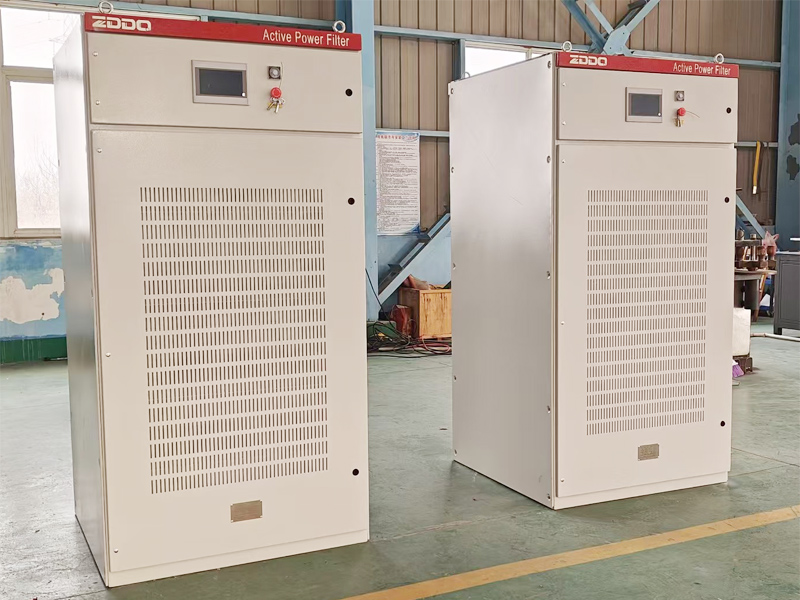
APF (Active Power Filter): Its primary function is the dynamic filtering of harmonic currents within the power system. By detecting harmonic components in the load current in real-time, it generates a compensation current equal in magnitude but opposite in phase to the harmonics; injecting this into the grid cancels out the harmonics, thereby purifying the grid current and mitigating the impact of harmonics on equipment. It can actively suppress harmonics ranging from the 2nd to the 51st order, reducing THDi from 32.5% to less than 2.9%.
SVG (Static Var Generator): Its primary function is the dynamic compensation of reactive power. By adjusting the phase and amplitude of the output current, it rapidly responds to the system's reactive power demands, providing bidirectional compensation for either capacitive or inductive reactive power. This improves the system power factor, stabilizes grid voltage, and reduces reactive power losses. It offers an ultra-fast response time of 10ms and stabilizes the power factor at 0.99.
APF focus on eliminating harmonic pollution, while SVG concentrate on addressing reactive power issues. In practical applications, where a power grid faces both reactive power deficits and harmonic pollution, SVGs and APFs can be deployed in combination: the APF precisely filters out harmonics, while the SVG rapidly compensates for reactive power. This approach successfully resolves disturbances caused by reactive power and harmonics in power distribution systems, achieving a strategy of "dynamic remediation plus proactive defense" that fortifies the safety of the power supply and ensures comprehensive power quality management.
Categories


NO.25,JINHE RD,HUAIYUAN ECONOMIC DEVELOPMENT ZONE ,BENGBU,ANHUI
Scan to WhatsApp: