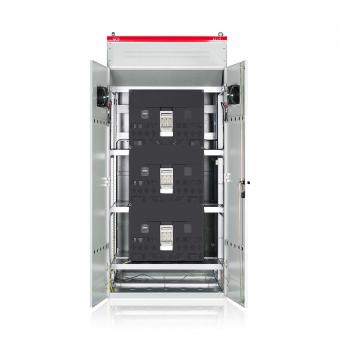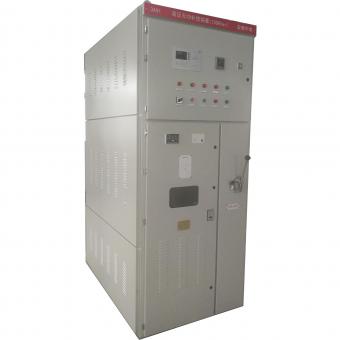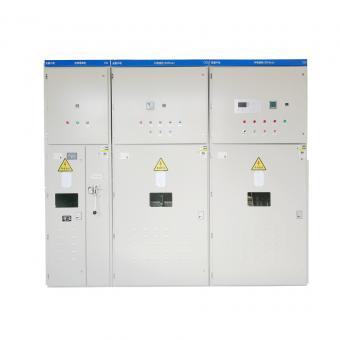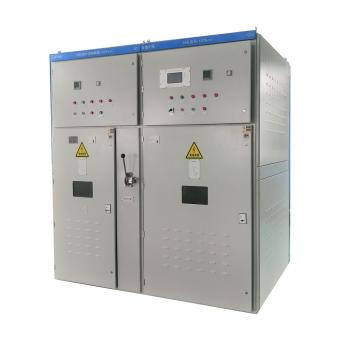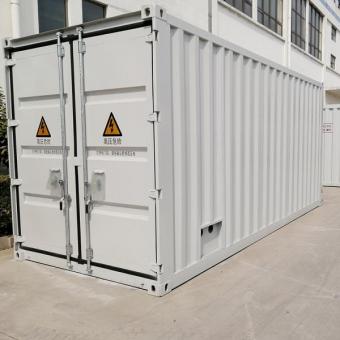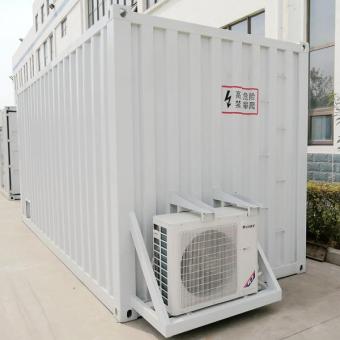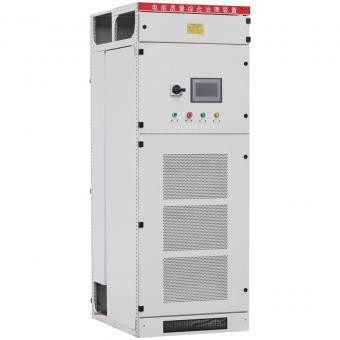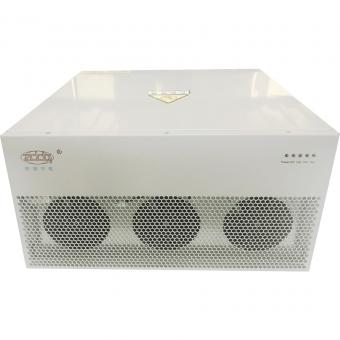
In power systems, the balance of reactive power is crucial, as it directly impacts grid stability and power quality. As an advanced dynamic reactive power compensation device, the SVG (Static Var Generator) is increasingly becoming an indispensable "stabilizer" within power systems. Today, let us take a closer look at the principles, advantages, and application scenarios of SVG dynamic reactive power compensation.
The core of an SVG (Static Var Generator) dynamic reactive power compensation device is a voltage-source inverter (VSC) based on high-capacity static power converters. Connected in parallel to the power grid via a reactor or transformer, it rapidly absorbs or generates the required reactive power by adjusting the amplitude and phase of the inverter's AC-side output voltage, or by directly controlling the amplitude and phase of its AC-side current.
Specifically, the SVG device detects system current information using external current transformers (CTs), after which the control core analyzes parameters such as reactive power (Q) and power factor (PF). Based on this information, the controller generates compensation drive signals and produces the compensation current via the power electronic inverter circuit. When the grid requires inductive reactive power, the SVG outputs capacitive reactive current; conversely, when capacitive reactive power is required, the SVG outputs inductive reactive current.
The SVG utilizes self-commutating bridge circuits constructed from turn-off capable power electronic devices (such as IGBTs). By regulating the switching of the IGBTs within the inverter bridge, it controls the amplitude and phase of the DC-to-AC voltage, thereby achieving dynamic reactive power compensation.
Advantages of SVG Dynamic Reactive Power Compensation
1.SVG can adjust reactive power compensation within milliseconds, demonstrating excellent tracking capabilities for rapidly changing loads on the power grid. Compared to traditional reactive power compensation devices, SVG offers faster response speeds, enabling instantaneous compensation and preventing voltage fluctuations caused by delayed response.
2.SVG enables continuous, smooth regulation of reactive power—ranging from inductive to capacitive—precisely meeting the grid's reactive power requirements. It allows for stepless compensation starting from 0.1 kVar, achieving fully accurate compensation.
3.SVG employs advanced power electronics technology, resulting in low internal losses and improved overall system efficiency. Unlike traditional capacitive reactive power compensation devices, SVG neither generates nor amplifies harmonics.
4.SVG have a service life of over ten years, incur minimal internal losses, and require virtually no maintenance. In contrast, traditional reactive power compensation devices typically rely on contactor or thyristor control and have a short service life—generally around three years.
Application Scenarios for SVG Dynamic Reactive Power Compensation
1.SVG are widely used in substations and transmission lines, effectively enhancing grid stability and power transmission efficiency. Within the power grid, SVG can rapidly respond to changes in reactive power, maintain voltage stability, and reduce voltage fluctuations and flicker.
2.In large-scale industrial enterprises—such as those in metallurgy, the chemical industry, and mining—SVG technology can improve the power factor and reduce equipment losses. For instance, following the installation of an SVG system at a large plant, the voltage fluctuation range was reduced from the original ±10% to within ±2%, significantly enhancing the operational stability of production equipment.
3.When new energy sources such as wind power generation and photovoltaic power generation are connected to the power grid, SVG can provide necessary reactive power support to improve the access capabilities of new energy sources and the stability of the power grid.
4.SVG can ensure voltage stability and power quality in traction power supply systems, guaranteeing the safe operation of rail transit.
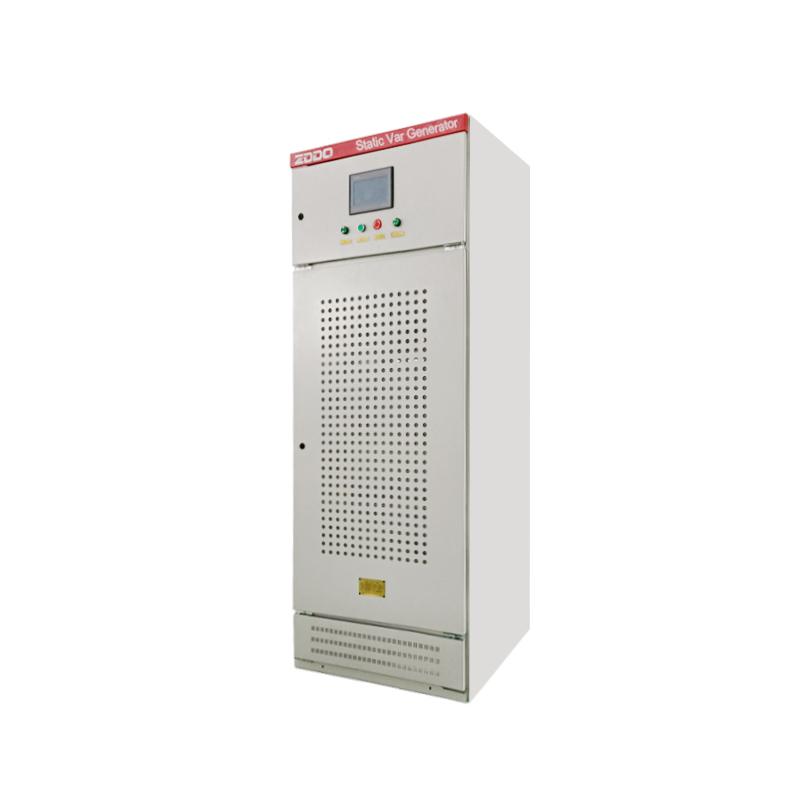
With the continuous evolution of power systems—particularly the large-scale integration of distributed energy resources—the demand for reactive power compensation has intensified. Thanks to their outstanding performance and flexible control capabilities, SVG (Static Var Generator) dynamic reactive power compensation devices are poised to play a pivotal role in areas such as smart grid development and the integration of new energy sources. These devices effectively address reactive power issues caused by the fluctuating output of distributed energy sources, enhance the grid's capacity to accommodate new energy, and drive the power industry toward a greener, more efficient, and smarter future.
Characterized by advanced technology, superior performance, and broad applicability, SVG dynamic reactive power compensation devices offer a reliable solution for reactive power compensation and power quality enhancement in modern power systems. As power systems continue to evolve and requirements for power quality become increasingly stringent, the importance of SVG technology in the power sector will become ever more apparent.
In summary, SVG dynamic reactive power compensation devices serve as indispensable "stabilizers" within power systems; through rapid and precise reactive power compensation, they provide a robust guarantee for stable grid operation and improved power quality. Looking ahead, SVG technology will play a vital role in a wider range of applications, facilitating the development of smarter and more efficient power systems.


NO.25,JINHE RD,HUAIYUAN ECONOMIC DEVELOPMENT ZONE ,BENGBU,ANHUI
Scan to WhatsApp: