In power systems, transformers, as core equipment, undertake the crucial task of voltage conversion. However, due to manufacturing defects, environmental factors, and long-term operational wear, various faults frequently occur—oil leakage, abnormal oil levels, damage to the oil conservator bladder, deformation of the cooling system, and abnormal internal noises are common problems. These issues not only affect equipment performance but can also lead to serious accidents such as short circuits and fires. This article systematically outlines the manifestations, causes, and solutions of five typical transformer faults to help you quickly locate problems and take effective measures.
I. Transformer Oil Leakage: A Hidden Source of Risk
1. Phenomenon Description: Oil-immersed transformers often experience oil leakage at the oil inlet or top cover. The root causes include poor sealing, component corrosion and deformation, and mechanical vibration and impact. For example, aging and failure of the sealing gasket at the flange connection can lead to grease overflow; cracks in weld seams due to thermal expansion and contraction can also become leakage points.
2. Hazard Warning: Continuous leakage significantly reduces insulation strength, accelerates the deterioration of insulation materials, and shortens equipment lifespan. If not addressed promptly, it may even cause partial discharge or arc breakdown, endangering the stability of the entire power grid. 3. Response Strategies: Regular Inspections: Focus on checking the integrity of the sealing rings, the tightness of fasteners, and the condition of welds; Cleaning and Maintenance: Remove accumulated dust and oil stains to prevent impurities from clogging the exhaust channels; Emergency Repairs: Immediately seal any leaks with specialized sealant and arrange planned maintenance to replace damaged components.
II. Abnormal Oil Levels: Alarms That Are Difficult to Distinguish Between True and False Indications
1. Complex Causes: Causes of Low Oil Levels: Long-term chronic leakage, low-temperature solidification and shrinkage, and failure to replenish oil in time after maintenance can all lead to insufficient oil levels; changes in the coefficient of thermal expansion caused by a sudden drop in load can also cause false low-level readings. Risks of High Oil Levels: Overfilling oil will increase internal pressure, and in extreme cases, cause oil spraying accidents. More problematic is when the oil temperature changes but the oil level indicator does not respond, often indicating oil circuit blockage (such as blockage of the breather/explosion-proof pipe).
2. Precise Diagnostic Methods: Combine infrared thermal imaging to detect the true oil level height, and simultaneously check the ventilation of the dehumidifier, the integrity of the capsule, and the sensitivity of the float mechanism. Pay special attention to distinguishing between true oil shortage and false indication errors.
3. Handling Procedure: Drain excess grease to the standard mark; replenish with insulating oil of the same type to the specified range; thoroughly unclog all related pipelines and replace failed components.
III. Oil Conservator Capsule Rupture: A Neglected Critical Barrier Failure
1. Failure Mechanism: As a core component for isolating air, once the silicone capsule ruptures and oil enters, it will sink and block the main channel. At this time, the oil level in the main body drops and cannot be replenished, drastically increasing the risk of the gas relay malfunctioning due to lack of oil.
2. Innovative Protection Solution: Install a stainless steel protective mesh at the connection between the main body and the oil conservator. This can intercept broken capsule fragments while ensuring basic flow capacity in emergencies. ZDDQ recommends using corrosion-resistant materials and regularly verifying their effectiveness.
IV. Cooling System Bellows Deformation: A Vulnerable Link Under Mechanical Stress
1. Structural Defect Origin: Inadequate design leading to excessive flexibility combined with high-frequency vibration during operation easily causes fatigue cracks in thin-walled bellows. Especially at bends, the alternating stress makes them more prone to cracking and oil leakage.
2. Reinforcement and Modification Measures: Add rigid support frames to both sides of the corrugated pipe to limit displacement; adopt a direct-connection fixed structure to reduce the number of moving joints; conduct pressure tests on deformed parts to determine whether to repair or replace them.
V. Internal Abnormal Noises: Decoding the Auditory Signals of Equipment Health
1. Normal Operating Characteristics: A transformer operating smoothly should emit a uniform electromagnetic hum, a natural manifestation of the magnetostrictive effect of silicon steel sheets. The sound intensity is directly proportional to the load current.
2. Abnormal Noise Classification and Diagnosis
Type
|
Feature Description
|
Possible Reasons
|
Handling Suggestions
|
Sudden high-pitched howling
|
Accompanied by spark discharge phenomenon
|
Inter-turn short circuit/Loose core laminations
|
Immediate power outage for maintenance
|
Intermittent knocking sound
|
Periodic occurrence with load fluctuations
|
Loose fasteners
|
Tightening bolt torque calibration
|
Dull roar
|
Low-frequency vibration is transmitted to the outer casing
|
Poor matching of fundamental resonant frequencies
|
Adjusting the foundation vibration reduction design
|
3. Emergency Plan: When a winding fault is suspected, the power supply must be decisively cut off and a core inspection arranged to prevent the fault from escalating.
VI. Building a Comprehensive Protection System: Transformer fault management should adhere to the principle of "prevention first, comprehensive management": Early warning should be achieved through regular infrared thermography, oil chromatography analysis, etc.; standardized inspection procedures should be established to promptly identify potential hazards; personalized maintenance plans should be developed for specific symptoms. Only by combining daily maintenance with technological upgrades can the long-term safe operation of power equipment be ensured. For handling complex faults, it is recommended to contact a professional team for in-depth testing and repair. Do not operate the equipment blindly with the faulty components.
Ⅶ: Transformer power quality problems solution
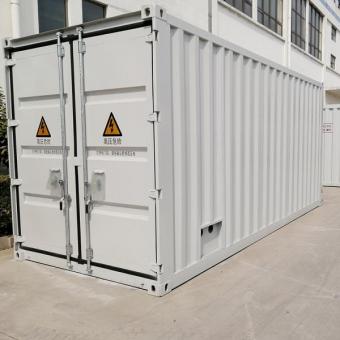
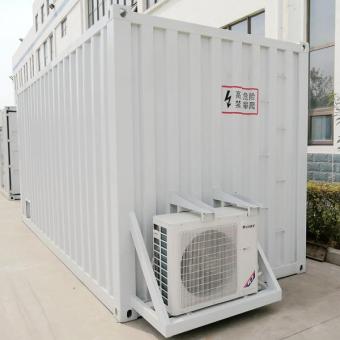
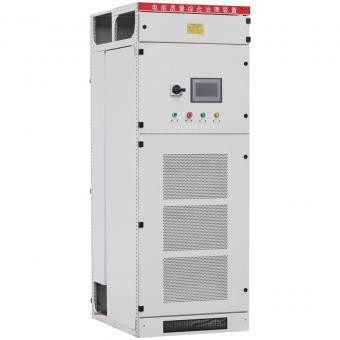
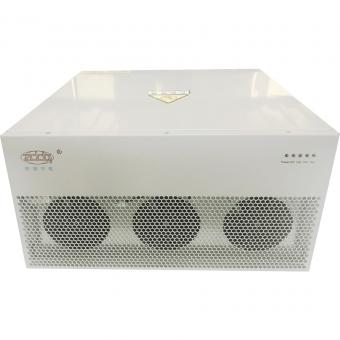
1. Power factor correction: SVG(static var generator), Capacitor Bank
2. Harmonic Mitigation: AHF(active harmonic filter)