The complete process of electricity generation and use can be clearly divided into four main stages: power generation → transmission → distribution → consumption. First, power plants convert various primary energy sources (such as coal, hydropower, wind power, nuclear power, and solar energy) into electrical energy. Then, the large amount of electricity generated by the power plants is efficiently and with low loss transmitted to distant load centers (cities and industrial areas). Next, the electricity from the high-voltage transmission network is stepped down and distributed to the areas where end users are located. Finally, after the electricity reaches the user's meter, it powers the user's various electrical devices. On the user's side, the electricity is transmitted through indoor wiring to drive various electrical appliances such as lighting, televisions, air conditioners, refrigerators, and electric motors, converting them into light, heat, sound, and mechanical energy to complete the entire service.
The entire process involves generating electricity through generators, using transformers to boost the voltage for long-distance, low-loss transmission, then using a power distribution system to reduce the voltage step by step for precise distribution, and finally having countless electrical devices convert the electricity into the various forms of energy we need.
II. Main Causes of Power Quality Issues
2.1. Start-up, shutdown, and severe fluctuations of large loads
· Impact loads: such as the starting of large electric motors (water pumps, fans), rolling mills, stamping presses, etc., which will generate an impact of 6-10 times the rated current during startup, causing the grid voltage to drop momentarily (voltage sag).
· Fluctuating loads: such as electric arc furnaces and welding machines, have extremely unstable operating currents, which can cause voltage flicker (voltage fluctuations and flickering), resulting in lights that flicker noticeably.
2.2. Nonlinear load
· The current in these devices is not proportional to the applied voltage. Traditional nonlinear loads, such as the excitation circuits of transformers and iron-core reactors, generate odd harmonics.
· They draw non-sinusoidal current from the power grid, causing voltage waveform distortion and generating harmonic pollution.
2.3. Large-scale grid connection of intermittent renewable energy sources
· photovoltaic and wind power varies drastically with the weather, causing voltage fluctuations and flicker at the point of common coupling . Grid-connected inverters themselves are also sources of harmonics. Furthermore, they lack the inertia of traditional generators, which weakens the frequency stability and disturbance immunity of the power grid, and may exacerbate the effects of voltage sags in certain situations .
2.4. Changes in power grid structure
· The large-scale integration of distributed power sources (such as rooftop photovoltaics) has transformed the distribution network from a traditional "unidirectional radial" network to a "bidirectional multi-source" network, complicating power flow direction and potentially leading to local voltage increases , exacerbated three-phase imbalances, and increased difficulty in protection and control.
III. Scenarios where power quality problems are prone to occur
3.1 Industrial manufacturing parks (especially heavy industry and precision manufacturing)
· Typical scenarios include automobile manufacturing plants, semiconductor/chip factories, steel mills, petrochemical plants, and paper mills.
· Problem: The production line is simultaneously subjected to impact loads (pressing mill, rolling mill) and nonlinear loads (variable frequency drive motor), generating severe harmonics and voltage dips. Furthermore, the sensitive control equipment on the production line (PLC, robots) is highly susceptible to interference, leading to unexpected shutdowns of the entire production line and significant economic losses.
3.2 New energy power plants and grid connection points
· Typical scenario:Large-scale photovoltaic power plants and wind farms.
· Problem:Unstable power output causes voltage fluctuations at the grid connection point, generating harmonics in the inverter; during grid faults, it may disconnect from the grid or its fault current support characteristics differ from traditional power sources, affecting the stability of the regional power grid.
3.3 Commercial Buildings and Data Centers
· Typical scenarios include large office buildings, shopping malls, internet data centers (IDCs), and hospitals.
· Problem: buildings are filled with switching power supplies (office equipment, LED lighting) and inverter air conditioners , making them "hotspots" for harmonic pollution. For data centers and hospitals, voltage dips can cause server crashes or medical equipment outages, resulting in data loss or medical risks. The starting of large motors such as elevators can also cause localized voltage dips.
3.4 Urban Rail Transit System
· Typical scenario: traction substations for subways and light rails.
· Problem:electric locomotives are typical high-power, fluctuating, and nonlinear loads. Their rectifiers generate a large number of harmonics , which are injected into the public power grid, causing significant voltage fluctuations and affecting other users in the same power supply area.
3.5 Remote or weak grid end areas
· Typical scenarios include rural power grids, independent microgrids on islands, and end users of long-distance power lines.
· problem: line has high impedance, which easily leads to a large voltage drop when a large load is applied, resulting in a persistently low voltage. It is also less tolerant of voltage fluctuations and sags.
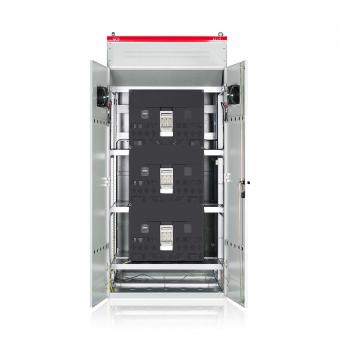
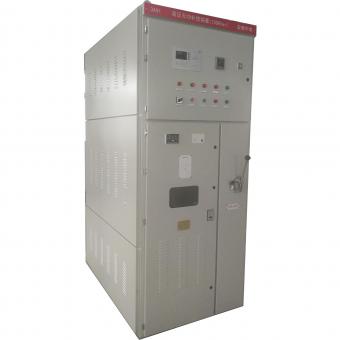
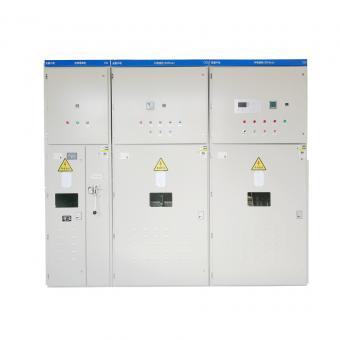
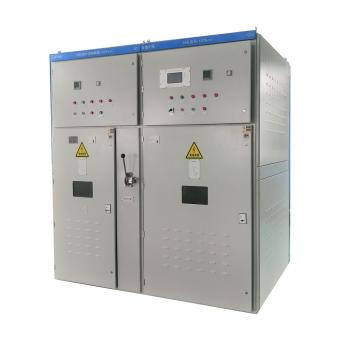
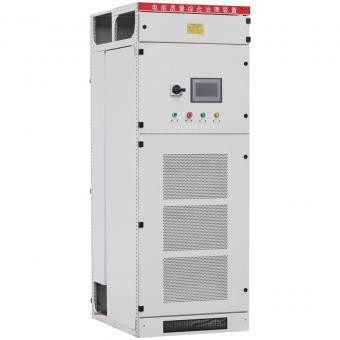
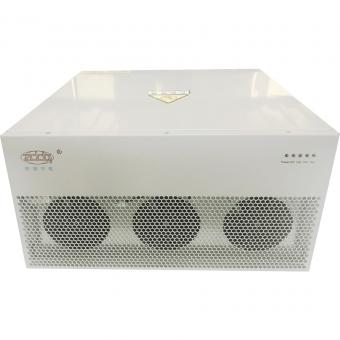
Mainstream products that can improve power quality
• LV Automatic Power factor correction Panels
Categories


NO.25,JINHE RD,HUAIYUAN ECONOMIC DEVELOPMENT ZONE ,BENGBU,ANHUI
Scan to WhatsApp: